

Getting a diagnosis that a child has a tongue-tie can be worrying, especially when babies are involved. It may generate numerous inquiries regarding treatments and potential risks.
It might also raise questions regarding the condition. Also, its impact on standard oral functions if left untreated. Regrettably, searching online for details on this may inundate you with excessive information. Why don’t you consult a specialist if a tongue-tie can heal naturally?
The Optimal Method For Recognizing Ankyloglossia
Diagnosing an ankyloglossia necessitates the skill and understanding of a dentist. If you believe your child may have such a condition. Please reach out to a specialist to arrange a consultation. This is for a comprehensive evaluation and diagnosis.
Here are some indications you might observe of the condition:
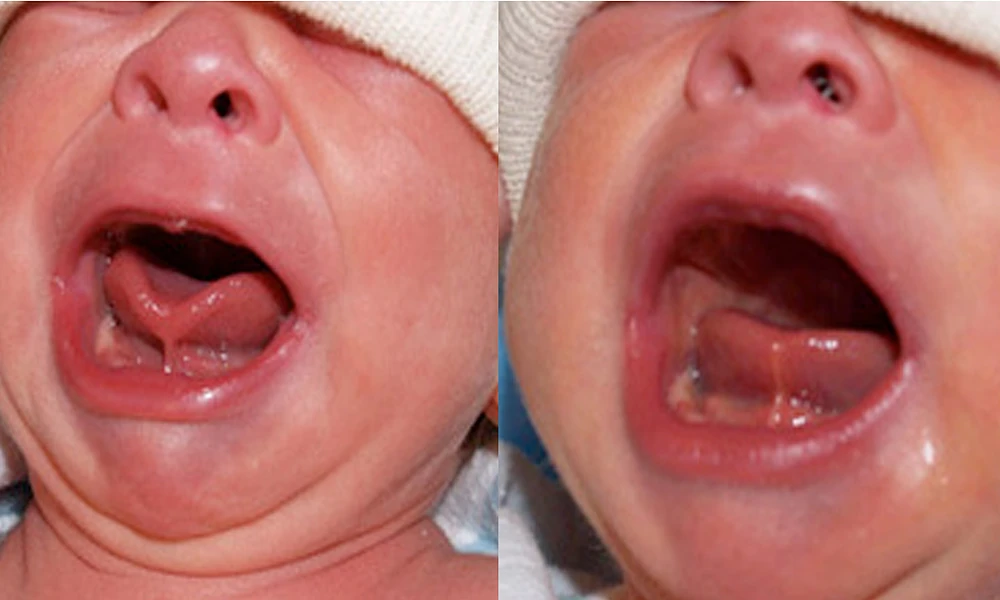
- Heart-shaped or small tongue that is drawn down from the middle.
- Irregularly shaped lingua is observed when gently raised or pushed forward.
- Capacity to sense or observe the solid tissue linking the lingua to the base of the mouth.
- Lack of ability for infants to suck or attach.
- Young child’s difficulty in eating properly or speaking clearly.
Do Ankyloglossia Resolve On Their Own?
In mild instances, certain ties may extend a bit over time as a baby matures. This may lead to better mobility. Nevertheless, it’s rare for a substantial ankyloglossia to completely resolve without treatment.
The frenulum consists of connective tissue rather than muscle. So, although it can relax somewhat. It usually doesn’t completely disappear on its own.
If your child does not exhibit signs like trouble speaking or feeding. A specialist may suggest just keeping an eye on the situation.
However, if he faces persistent problems. Delaying intervention may result in additional complications. This includes dental issues or talking delays.
The Issues Arising From Overlooking This Condition
Infants might have difficulty feeding since they are unable to latch onto the bottle or breast correctly. The condition might also cause complications, especially for the mother. This may include sensitive breasts, reduced milk supply, or difficulty emptying her breasts. Check out https://www.healthychildren.org/English/ages-stages/baby/breastfeeding/Pages/tongue-tie-in-babies-how-ankyloglossia-affects-breastfeeding.aspx to read further.
Furthermore, the ankyloglossia might disrupt development, growth, and speech patterns. Not to forget feeding difficulties as the baby matures. Moreover, the issues only intensify the longer the condition goes without treatment.
Here are some more effects when left untreated.
- Intense gag reflex
- Breathing through the mouth
- Space between front teeth
- Restricted tongue mobility
- Bad oral position or persistent mouth breathing
- Difficulties in swallowing and chewing food
- Development of sleep-related breathing disorders, such as sleep apnea
- Elevated likelihood of temporomandibular joint disorder
- Difficulties with speech, slow speech progression, or speech disorders in adulthood
Diagnosis
It is usually identified through a physical examination. For babies, the physician may utilize a screening method. This is to evaluate different features of the tongue’s appearance and movement capability.
For children who are capable of speaking. The specialist will pay attention to their speech to check if they have difficulty producing particular sounds.
Occasionally, a child may require consultation for diagnosing and addressing ankyloglossia. This includes:
- specialist in ENT
- children’s dentist
- dental surgeon
- breastfeeding nurse or advisor
- speech and language therapist
Treatment
Certain specialists suggest addressing it immediately. Even prior to a newborn being released from the hospital. Some choose to adopt a wait-and-see strategy.
The lingual frenulum might become less tight over time, alleviating tongue-tie. In some instances, the condition remains without leading to issues.
In certain instances, working with a lactation specialist can support breastfeeding. While therapy, especially with a speech-language pathologist, might enhance speech sounds.
Surgical intervention might be necessary for infants, children, or adults. Especially if the condition leads to issues.
You may look at this for additional info.

Frenotomy
A straightforward surgical operation known as a frenotomy can be performed with or without anesthesia. It could be in the hospital or medical office.
The physician inspects the lingual frenulum. He’ll subsequently employ cautery or sterile scissors to cut the frenulum loose. The process is swift, and discomfort is minimal.
That’s because there are limited blood vessels and nerve endings in the lingual frenulum. If bleeding happens, it’s probably just a drop or two of blood. Post-procedure, a baby can start breastfeeding right away.
Complications from a frenotomy are infrequent but may involve infection or bleeding. Along with potential harm to the salivary glands or lingua. Scarring may occur, or the lingual frenulum might reconnect with the lingua’s base.
What to Anticipate Throughout and Following the Procedure
The procedure is rapid, typically requiring only a few minutes. A laser can be utilized for this procedure.
For babies, the procedure is frequently performed using only a local anesthetic. Older children might receive general anesthesia or a mild sedative if necessary.
Following the procedure, many children feel slight discomfort. They may return to their usual activities in one or two days.
Parents should carry out gentle exercises of the tongue. This is to assist in preventing the frenulum from reattaching.
How Quickly Do Children Heal After a Procedure?
Infants heal rapidly and often can begin eating soon after a frenotomy. Although many infants enhance their feeding rapidly, a few might require time to adapt.
A feeding specialist or lactation consultant can assist you with any issues related to feeding.
Older children may experience some discomfort for a week, but this will resolve naturally.