

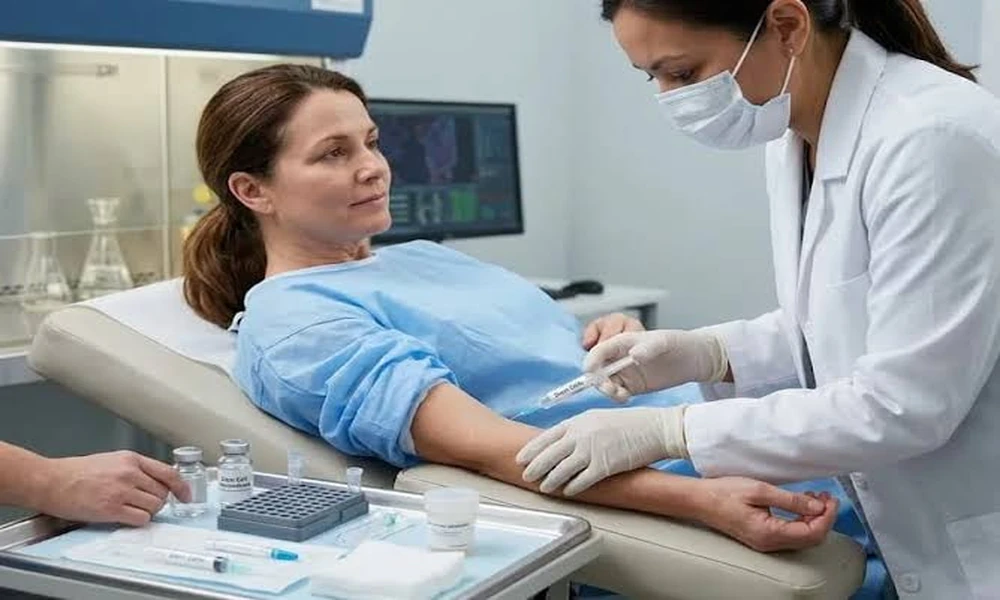
Every year, a lot of people board a plane to get treated for something they couldn’t get treated for at home, or couldn’t afford to. Mexico, Panama, Colombia, Thailand, a handful of countries in Eastern Europe: these have quietly become destinations for what gets called “stem cell tourism,” and honestly, the reasons people go make sense. Prices abroad are often a fraction of U.S. costs. Some clinics offer treatments that haven’t cleared FDA approval domestically. And for patients who’ve already tried everything conventional medicine has to offer, the pull of trying something, anything, is real.
The catch is that “available somewhere” and “well-regulated somewhere” aren’t the same thing. That gap is where people get hurt.
Why people travel, and why it’s not as reckless as it sounds
It’s worth taking this seriously instead of writing patients off as naive, because the underlying reasons are usually pretty rational:
Cost is a big one. A treatment running well into five figures in the U.S. might be a small fraction of that abroad. Access matters too: some therapies are further along in real-world use elsewhere, whether because of a different regulatory timeline or ongoing trials happening in that country. And then there’s the group who’ve simply run out of conventional options, patients with degenerative or terminal conditions who are looking for anything with even a plausible shot of helping.
None of that is irresponsible by itself. What tends to cause trouble is choosing a destination based on marketing rather than actually checking it out.
What actually goes wrong
Oversight varies wildly by country, and for regenerative medicine specifically, in some places it barely exists. Real, documented problems from under-regulated clinics have included contamination and infection from improperly processed cell products, and in rare but serious cases, tumor formation tied to certain cell products. There’s also, often, no meaningful recourse if something goes sideways. Different country, different legal system, and typically nothing resembling a malpractice framework that applies to a foreign patient. Some clinics have even been caught using different cell sources or processing methods than what patients were told going in.
There’s a quieter risk too, one that gets less attention. Continuity of care. If a complication shows up two weeks after you’re home, the clinic that treated you is on another continent. Your doctor back home has no records, no way to reach whoever treated you, and often no clear idea what was actually injected.
This is exactly why independent, patient-written feedback matters more here than it does with a clinic closer to home. Before booking anything at a specific facility, say one of the Panama-based clinics that come up often in this kind of search, it’s worth reading through detailed regeneration clinic panama rather than relying on the testimonials the clinic itself curates.
What to ask before you book anything
If you’re seriously weighing treatment abroad, it deserves at least as much scrutiny as picking a domestic clinic. Arguably more, since verifying anything from a distance is harder.
Ask what regulatory body actually oversees this clinic in its home country, and what that oversight requires in practice, not just in theory. Ask for peer-reviewed data specific to your condition, not general safety claims. Ask what happens if a complication shows up after you’ve flown home, and whether there’s an actual documented plan for that. Find out who the treating physician is and verify their credentials independently, not through the clinic’s own site. And get the specific cell type, source, and processing method in writing before you agree to anything.
A middle path that isn’t all-or-nothing
You don’t have to choose between “never travel for care” and “book the first result that shows up in a search.” A more reasonable approach looks something like this:
Talk to a physician at home first, ideally one with nothing to gain financially from whether you travel. Look into the actual regulatory environment of the specific country and clinic, not just its general reputation. Find independent patient communities, not the testimonials on a clinic’s own page, and see what people are actually saying when nobody’s watching. If a specific facility keeps coming up in your research, take the time to read through regeneration clinic of panama reviews or the equivalent for wherever you’re actually considering. And compare a few accredited options against each other instead of letting one ad decide it for you.
Stem cell tourism isn’t disappearing, and for some patients it may genuinely be the right call. But it deserves the same rigor as any major medical decision, maybe more, given how much harder follow-up gets once you’re back home. Take the time to actually compare accredited stem cell clinics rather than letting price or geography make the call for you.