

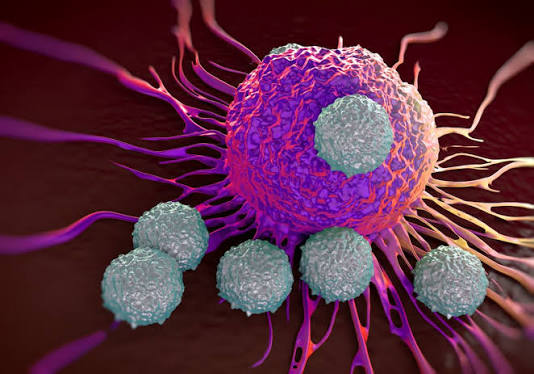
For most people, the immune system is something they only think about during a cold or flu. But when it comes to cancer, understanding how the immune system fights cancer can help patients make sense of one of the more confusing parts of their diagnosis: why the body doesn’t always catch cancer on its own, and how modern treatment tries to help it do so.
How the Immune System Normally Works
The immune system is the body’s built-in defense network, made up of white blood cells, antibodies, and specialized cells that identify and destroy anything it recognizes as harmful, from bacteria and viruses to damaged or abnormal cells. Under normal conditions, it’s remarkably good at spotting things that don’t belong.
Cancer cells, however, start out as the body’s own cells that have mutated and begun growing uncontrollably. Because they originate from normal tissue, they can sometimes go unnoticed by the immune system, or worse, actively find ways to hide from it.
Why Cancer Cells Can Evade the Immune System
Disguising Themselves
Some cancer cells reduce the markers on their surface that would normally flag them as abnormal, making it harder for immune cells to recognize them as a threat.
Suppressing Immune Activity
Certain cancers release signals that actively suppress nearby immune cells, essentially telling the body’s defenses to stand down in the area surrounding the tumor.
Outpacing the Response
Cancer cells can also grow and divide faster than the immune system can respond, especially in the earlier stages before a tumor is large enough to trigger a stronger reaction.
This is part of why cancer can develop and progress even in people with an otherwise functioning immune system.
The Connection Between Immunity and Cancer Treatment
Understanding immunity and cancer has reshaped how modern treatment approaches the disease. Rather than only attacking tumors directly through chemotherapy, radiation, or surgery, researchers and clinicians have increasingly focused on helping the immune system recognize and respond to cancer cells more effectively.
This has led to treatments designed to boost the immune system’s own ability to identify and target cancer, working alongside conventional treatment rather than replacing it. The goal isn’t just to shrink a tumor, but to help the body’s natural defenses stay engaged in fighting it over time.
What This Means for Patients
It’s Not About Blame
Patients sometimes wonder if a “weak immune system” is why they developed cancer. In most cases, it’s more accurate to say that cancer cells found ways to avoid detection, rather than that the immune system failed outright. This distinction matters for how patients think about their own role in recovery.
Supporting the Immune System During Treatment
Nutrition, rest, and stress management can all play a role in supporting overall immune function during treatment, though they aren’t a substitute for medical care. Cancer Healer Center’s guidance on diet and nutrition for cancer patients is one resource patients often use to understand how food choices fit into this picture.
Treatment Is Usually Multi-Layered
Most effective cancer care today combines direct treatment of the tumor with approaches that support the immune system and the patient’s overall wellbeing. Cancer Healer Center’s team, guided by Dr. Tarang Krishna, has built its approach around this combination, working alongside a patient’s oncology plan rather than in isolation from it.
Questions Worth Asking Your Care Team
Patients trying to understand their own treatment plan can benefit from asking direct questions: How does this treatment interact with my immune system? Are there supportive measures that could help alongside my primary treatment? What symptoms should I watch for that might indicate my immune response needs attention? A good care team should be able to answer these clearly, without oversimplifying or overpromising.
Bringing It Together
The relationship between immunity and cancer is complex, and there isn’t a single, universal explanation that applies to every patient or every cancer type. What’s clear is that the immune system plays a meaningful role both in how cancer develops and in how the body responds to treatment. For patients trying to make sense of their diagnosis, understanding how the immune system fights cancer isn’t just background science. It’s a useful lens for understanding why their care plan looks the way it does, and why supportive approaches are so often part of the conversation alongside conventional treatment.
FAQs
Does a weak immune system cause cancer?
Not directly. Cancer typically develops when cells mutate and grow uncontrollably, and in some cases, these cells find ways to avoid detection by the immune system rather than the immune system simply being “weak.”
Can boosting immunity cure cancer on its own?
No. Supporting immune function through nutrition, rest, and lifestyle changes can complement medical treatment, but it isn’t a substitute for chemotherapy, radiation, surgery, or other treatments prescribed by an oncologist.
Why do some cancers respond better to immune-focused treatment than others?
Different cancers interact with the immune system in different ways, and how visible or hidden a tumor is to immune cells can vary significantly by cancer type and stage. This is part of why treatment plans are personalized.
What role does nutrition play in immune function during cancer treatment?
A balanced diet can support overall immune health and help the body better tolerate treatment, though it should be planned alongside a patient’s medical team rather than adopted independently.
Should patients ask their oncologist about immune-focused treatment options?
Yes. It’s worth discussing with your treating oncologist whether immune-focused approaches are relevant to your specific diagnosis and how they might fit alongside your existing treatment plan.