

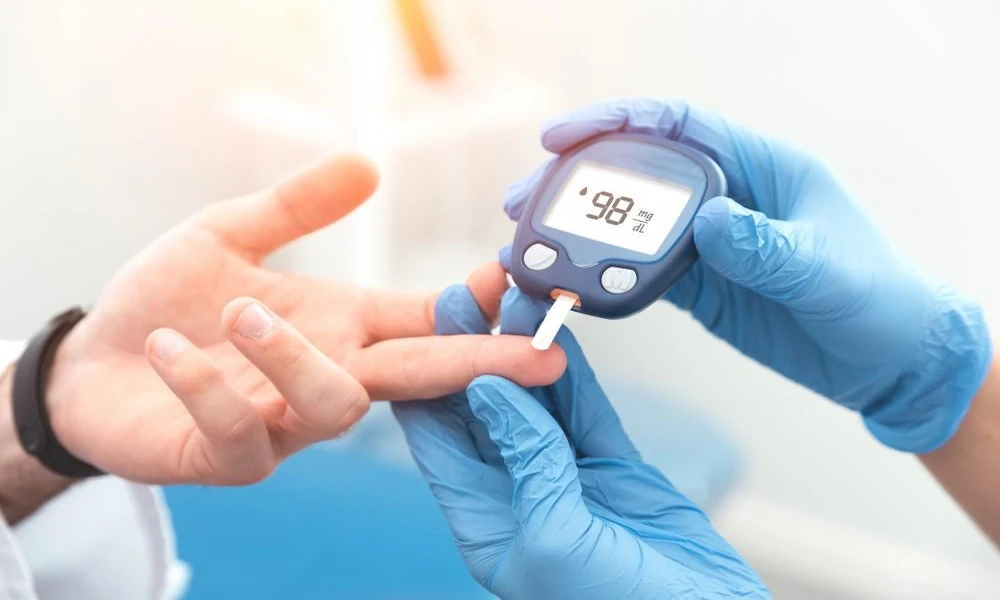
Chronic kidney disease can develop quietly, particularly in people with diabetes or high blood pressure. Symptoms may not appear until kidney function has already declined. The KDIGO 2024 guideline remains a current global standard for chronic kidney disease evaluation and management and emphasises structured assessment, risk classification, medication stewardship and management of complications.
What do the kidneys do?
The kidneys filter waste and excess fluid from the blood.
They also help regulate:
- Blood pressure
- Electrolytes
- Acid balance
- Red blood-cell production
- Bone and mineral health
Kidney disease can therefore affect much more than urine production.
Why can diabetes damage the kidneys?
Persistently high blood glucose can damage small blood vessels and other structures involved in kidney filtration.
High blood pressure can add further stress.
Kidney disease related to diabetes often develops gradually. A person may feel completely normal while early changes are occurring.
That is why laboratory monitoring can be important.
What is an eGFR?
The estimated glomerular filtration rate, or eGFR, is calculated from a blood measurement, commonly involving creatinine together with factors used by the relevant equation.
It provides an estimate of how effectively the kidneys are filtering.
A single abnormal result does not always confirm chronic kidney disease.
Dehydration, acute illness, medicines and other factors can temporarily affect kidney measurements.
Chronic kidney disease generally requires persistent evidence of kidney abnormality rather than one isolated test.
What is urine albumin?
Albumin is a protein that normally remains largely in the blood.
Damage to the kidney’s filtering structures can allow excess albumin to appear in the urine.
A urine albumin-to-creatinine ratio can help detect this change.
Someone can have albumin in the urine even when the eGFR is still relatively preserved, which is why the two measurements provide different information.
KDIGO uses both kidney filtration and albuminuria in chronic kidney disease classification and risk assessment.
Why does blood pressure matter?
High blood pressure can both contribute to kidney damage and develop as kidney disease progresses.
Accurate measurement and appropriate treatment are therefore important parts of kidney protection.
People should not alter blood-pressure medicines simply because one home reading appears normal.
Some medicines may also have kidney-protective roles beyond their immediate effect on the measured blood pressure, depending on the patient’s condition.
What symptoms can kidney disease cause?
Later-stage or complicated kidney disease may cause:
- Swelling of the feet or ankles
- Fatigue
- Reduced appetite
- Nausea
- Itching
- Breathlessness
- Changes in urination
- Difficulty controlling blood pressure
These symptoms are not specific to kidney disease.
Waiting for symptoms is therefore not an effective screening strategy for someone at increased risk.
When should a nephrologist be involved?
A specialist opinion may be considered when:
- Kidney function is significantly reduced
- Kidney measurements are worsening
- Albumin loss is substantial
- Blood pressure is difficult to control
- There is blood in the urine with other abnormalities
- The cause of kidney disease is unclear
- Electrolyte abnormalities develop
- Dialysis planning may eventually be required
Cura Hospitals’ nephrology service describes management across chronic kidney disease and more complex kidney conditions, with collaboration across other specialties where needed. Readers can review its kidney disease assessment and nephrology care information.
Can kidney disease be prevented?
Not every case can be prevented.
However, good management of diabetes and blood pressure, avoiding tobacco, reviewing medicines and attending recommended monitoring can reduce avoidable risks for many people.
People should also avoid frequent unsupervised use of medicines or supplements that may affect kidney function.
Seek urgent care for severe breathlessness, confusion, very low urine output, rapidly increasing swelling, severe weakness or another sudden deterioration.
This article is for general education and does not replace individual kidney-function testing or medical treatment.