
Key Takeaways:
- Dietary cholesterol has a smaller impact on blood cholesterol than saturated fats for most.
- Knowing what foods to avoid with high cholesterol means watching saturated and trans fats.
- Eggs and shellfish are high in cholesterol but also contain essential, healthy nutrients.
- The overall pattern of your diet is more important than any single ingredient or meal.
Introduction
Walking down the grocery aisle can be a confusing experience for anyone concerned about their health. We see labels shouting “zero cholesterol” or “low fat” everywhere we look, but what do these terms actually mean for our heart? For years, we were taught to fear cholesterol in our food above all else. We were told to skip the eggs and avoid the prawns at all costs. However, modern nutritional science has given us a much clearer-and more nuanced-picture. While it is important to determine which items are high-cholesterol foods, it is equally important to understand that the cholesterol we eat does not always translate directly to the cholesterol in our blood. The real story is about balance, the types of fats we consume, and how our bodies process different nutrients. Let’s take a closer look at how to read your plate with confidence and clarity.
The Truth About Dietary Cholesterol
When we ask “what foods are high in cholesterol?”, the usual suspects immediately come to mind: eggs, liver, and shellfish. These foods indeed contain significant amounts of dietary cholesterol. For example, a single large egg contains about 186mg of cholesterol. However, for about 75% of the population, eating dietary cholesterol has very little effect on their blood cholesterol levels. The liver simply adjusts by producing less cholesterol of its own in response. This is a fascinating example of our body’s ability to maintain a state of internal balance and homeostasis.
Instead of cutting out these nutrient-dense foods entirely, it is better to look at how they are prepared. An egg, poached or boiled, is a fantastic source of protein, vitamins, and minerals. An egg fried in butter and served with processed bacon, however, introduces a lot of saturated fat and sodium. It is often the “company” that high-cholesterol foods keep that causes the heart problems. By focusing on whole, unprocessed foods, you can enjoy a wide variety of ingredients without worrying excessively about their cholesterol content. You know what? A diverse, colourful diet is usually a healthy one.
Identifying the Real Culprits: Saturated and Trans Fats
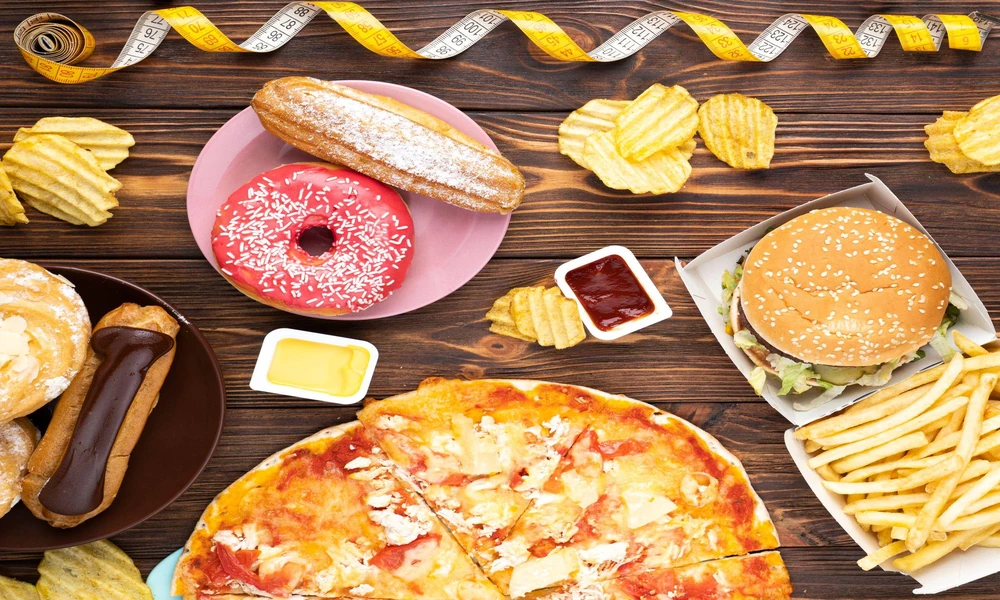
If dietary cholesterol isn’t the main villain in our diet, then who is? The answer lies in saturated and trans fats. These are the primary drivers of high blood cholesterol for most people. When people ask what foods to avoid with high cholesterol, the focus should really be on highly processed items. Think of commercially baked goods like cakes, biscuits, and pastries. These often contain “partially hydrogenated oils,” which is another name for trans fats. These fats are particularly dangerous because they raise your “bad” (LDL) cholesterol and lower your “good” (HDL) cholesterol simultaneously.
Saturated fats, found in red meats, full-fat dairy, and tropical oils like coconut oil, should also be consumed in moderation. While they aren’t as harmful as trans fats, they can still cause your liver to overproduce LDL cholesterol. By swapping out some of your red meat for poultry, fish, or plant-based proteins like tofu and beans, you can significantly improve your lipid profile. It is not about total deprivation; it is about making smarter, more frequent choices. Choosing a lean cut of beef once a week instead of a fatty steak every other day is a change you can actually live with.
Navigating the Dining Table with Confidence
Eating out in a food-loving city like Singapore can be a challenge when you are trying to be heart-conscious. We often don’t know exactly what goes into our restaurant meals or hawker dishes. However, knowing what foods to avoid with high cholesterol can help you make better decisions from the menu. Avoid dishes that are described as “creamy,” “breaded,” or “deep-fried.” These are red flags for hidden fats and high calories. Instead, look for words like “grilled,” “steamed,” “roasted,” or “poached.” These cooking methods preserve flavour without adding unnecessary heart-straining fats.
Do not be afraid to ask for modifications when you order. Most restaurants are happy to serve your dressing on the side or swap your fries for a side of steamed vegetables. These small tweaks can save you a surprising amount of saturated fat over the course of a week. Also, pay attention to portion sizes. Even a healthy food can become a problem if you eat too much of it. By eating mindfully and listening to your body’s hunger cues, you can enjoy the social experience of dining out without compromising your health. It is all about being a savvy consumer of your own nutrition.
Building a Heart-Healthy Foundation
The best way to manage your cholesterol is to build a diet based on whole, plant-rich foods. Fibre is your best friend here. It acts like a sponge in your digestive system, soaking up excess cholesterol before it can enter your bloodstream. Whole grains, fruits, vegetables, and legumes are all excellent sources of this “scavenger” nutrient. When you fill your plate with these items, there is naturally less room for the foods that are high in cholesterol or saturated fats. It is a positive way to approach nutrition-focusing on what you can add to your life.
Consistency is more important than any one-off “cheat meal” or holiday indulgence. If you have a healthy baseline, your body can handle the occasional treat. The goal is to create a lifestyle that you actually enjoy and can maintain for decades. If you love cheese, find a way to include a small amount of high-quality cheese in your diet rather than eating a whole block of “low-fat” cheese that does not satisfy you. When you enjoy what you eat, you are much more likely to stick with your healthy habits. Your heart will thank you for the steady, sustainable care you provide through your choices.
Conclusion
Understanding what foods are high in cholesterol is just the first step in a larger, more important journey toward heart health. By focusing on the real impact of saturated and trans fats and knowing what foods to avoid with high cholesterol, you can make informed choices that protect your arteries. Remember, it is the overall pattern of your diet-not any single food-that defines your long-term health. Embrace whole foods, enjoy your meals in moderation, and stay active. Taking care of your heart is a lifelong commitment, but it is one of the most rewarding ones you can make. If you need more resources or support, get in touch with the Singapore Heart Foundation today.