

You notice the small things before anyone else does. A bite that looks a little off. A thumb-sucking habit that never quite stopped. Baby teeth coming in late, or not falling out when expected. It is easy to wonder if you are overthinking it, especially when your child seems fine and daily life is already full. Still, oral development is one of those areas where small changes can point to bigger patterns, and a family dentist often sees those patterns early. If you want to learn about Tidal Aligners in Marietta, that conversation can also be part of spotting those patterns and understanding what to watch for next.
The Role Of Family Dentistry In Monitoring Oral Development is not just about finding cavities. It is about tracking how the teeth, jaws, gums, and bite grow together over time. A family dentist can spot signs of crowding, delayed eruption, jaw growth concerns, speech-related oral habits, and wear from grinding before they become harder and more expensive to manage.
Family dentistry gives children and adults a long view of oral development
Growth does not happen in neat stages. One child gets teeth early, another late. One loses baby teeth on schedule, another has permanent teeth trying to come in behind them. That range can be normal, which is exactly why consistent dental visits matter. A provider who sees your family over time is not guessing from a single snapshot. They are comparing today with what they saw six months ago, and that long view changes everything.
Monitoring dental development in children often starts with the basics, including eruption patterns, spacing, bite alignment, and oral habits. The American Academy of Pediatric Dentistry outlines how dentists evaluate dental growth and development to catch concerns early, including issues with occlusion, eruption, and craniofacial growth. You can review that guidance in this AAPD resource on dental growth and development.
When those concerns are missed, the consequences tend to build quietly. A crossbite can affect jaw growth. Mouth breathing can shape the palate and bite. Untreated decay in baby teeth can interfere with eating, sleep, speech, and the space permanent teeth need. Families often find themselves reacting later to a problem that started much earlier.
Oral development checks help catch problems before they become bigger
You do not need a crisis for a dental visit to matter. In many cases, the most useful appointments are the routine ones, because they reveal patterns before there is pain. A child who clenches at night may show worn enamel. A teen with crowding may have gums that are harder to clean well. An adult in the same household may have bite changes from missing teeth or grinding, which is one reason oral development monitoring matters across the whole family, not only for young children.
The Centers for Disease Control and Prevention shares practical oral health tips for children that support healthy development at home, including brushing with fluoride toothpaste, limiting sugary drinks, and keeping regular dental visits. Home care helps, but it does not replace trained eyes. A parent can see a crooked tooth. A dentist can see whether that tooth signals a space issue, a jaw issue, or a wait-and-watch situation.
National research also shows oral health is tied to overall health and access to care across the lifespan. This NIDCR report on oral health in America describes how prevention and early care shape long-term outcomes. That matters when you are deciding whether to keep routine visits on the calendar, even when nothing seems urgent.
Regular family dental visits create clearer next steps than watchful waiting alone
Parents often try a reasonable middle path. Wait a little. See if the tooth moves. See if the speech changes. See if the grinding stops. Sometimes that works. Sometimes it delays care that would have been simpler earlier. The difference is not panic. The difference is getting a clear baseline and professional follow-up.
| Concern | Watchful waiting at home | Regular family dental monitoring |
|---|---|---|
| Teeth coming in out of order | May be noticed only when crowding becomes obvious | Eruption patterns are tracked over time and referrals can happen at the right stage |
| Thumb sucking or pacifier use | Habit may continue longer than expected | Bite changes can be checked early and habit guidance can be tailored |
| Grinding or clenching | Often missed unless there is noise or pain | Wear patterns, jaw strain, and bite effects can be identified during exams |
| Baby teeth with decay | Pain may appear after damage spreads | Early treatment can protect space for permanent teeth and reduce discomfort |
| Bite alignment concerns | Families may wait until the teen years | Growth changes can be monitored early, which may widen treatment options |
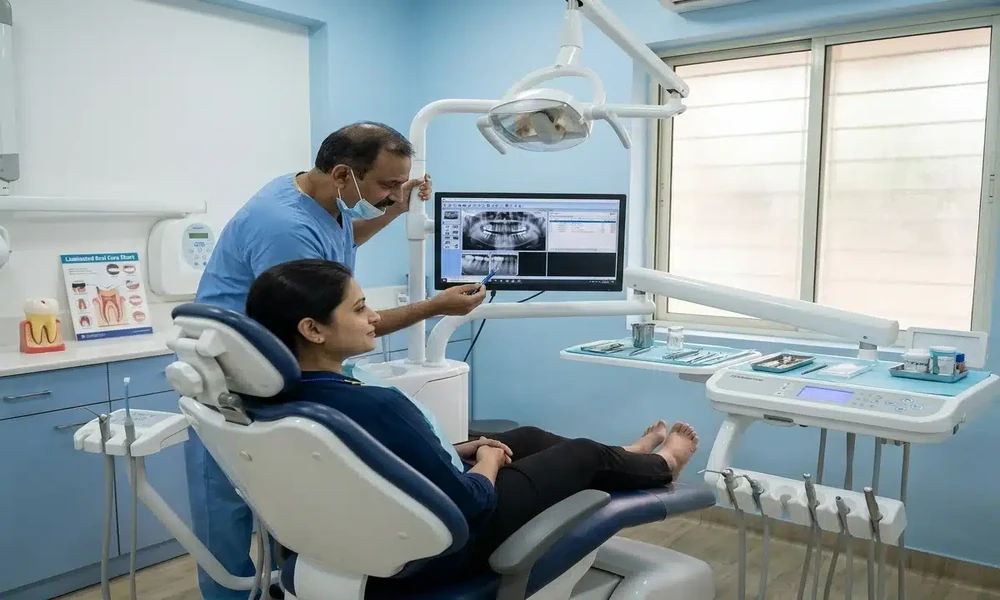
This is where the value of a family dental practice becomes very practical. You are not starting from zero at each visit. Records, X-rays when needed, bite checks, and growth history all create a more accurate picture. That often leads to less uncertainty and fewer last-minute decisions.
Three practical steps help you stay ahead of oral development concerns
Track changes you see at home. Take note of delayed tooth loss, crowded teeth, mouth breathing, thumb sucking, jaw clicking, grinding, or complaints about chewing. A quick note on your phone is enough. Small details are easy to forget by appointment day.
Keep routine visits consistent. A single exam can catch a problem. A series of routine visits can show growth patterns, which is often more useful. This is one of the simplest ways to support dental growth monitoring without adding much to your schedule.
Ask direct questions about timing. If something looks off, ask whether it should be observed, treated now, or referred out. That one question can save months of uncertainty. It also helps you understand whether a concern is cosmetic, functional, or both.
Steady dental care supports healthier development over time
You do not have to figure out every change on your own. Teeth and jaws develop in ways that are easy to miss until a problem is harder to ignore. A trusted family dentist helps you sort normal variation from early warning signs, and that kind of steady guidance can make care simpler, less stressful, and more effective over time.
If you have noticed changes in your child’s bite, spacing, habits, or tooth eruption, schedule a visit with a family dentist and get a clearer picture of what is happening now and what to watch next.