

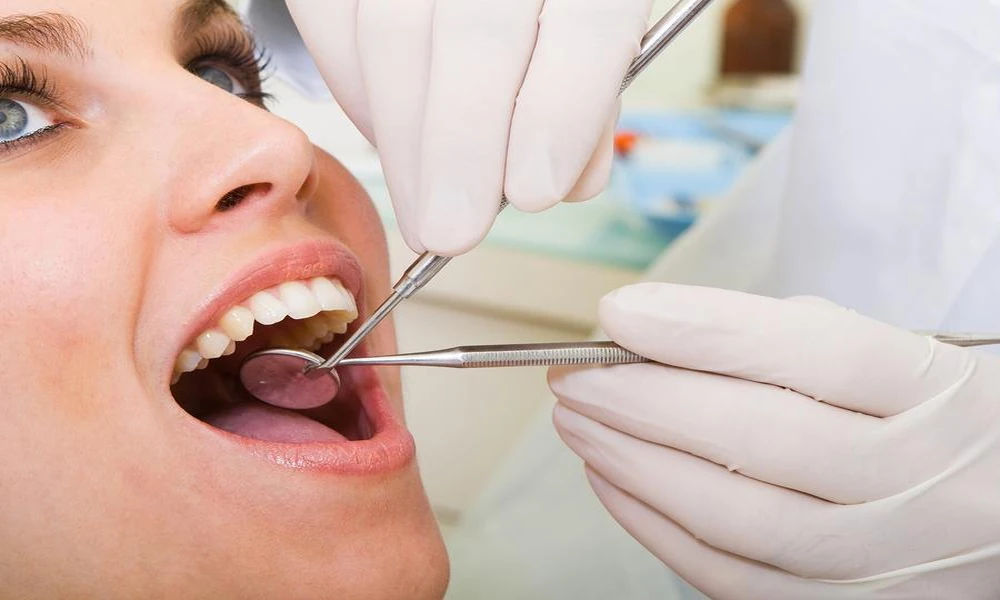
You may already know the pattern. A routine dental visit turns into a week of planning, worry, and phone calls. You think about sensory overload, new faces, changes in routine, and whether your loved one will even be able to sit in the chair long enough for an exam. Dental care can feel harder than it should, not because oral health is less important, but because too many offices are not built around the needs of people with developmental disabilities. Finding the right Southwest Houston dentist can make that experience feel far more manageable.
That is where a family dentist can make a real difference. The best support often starts with consistency, patience, and a care team that treats the whole person, not just the teeth. The role of family dentistry in supporting patients with developmental disabilities is practical and deeply personal. It includes prevention, communication, behavior support, caregiver partnership, and a plan that respects daily life at home.
Family dentistry creates continuity for patients with developmental disabilities
People with developmental disabilities may face a higher risk of oral health problems when brushing is difficult, diet is limited, medications cause dry mouth, or medical care takes priority over dental visits. The National Institute of Dental and Craniofacial Research explains that developmental disabilities can affect communication, movement, behavior, and self care, all of which shape the dental experience. You can learn more from the NIDCR resource on developmental disabilities and oral health.
When care is delayed, small problems become painful ones. A little plaque buildup turns into gum inflammation. A cavity that could have been treated early becomes an infection. If a patient has limited speech or struggles to describe pain, the signs may show up as sleep changes, refusal to eat, hand to mouth behavior, or distress during brushing. You might be seeing those clues already and wondering if something is wrong.
A family dental office that understands this pattern does more than schedule a cleaning. It builds familiarity over time. The same front desk staff, the same room, the same dentist, and the same predictable steps can lower stress in a way that a one time specialist visit often cannot. That is one reason dental care for people with developmental disabilities works best when it is steady, not rushed and not reactive.
Supportive family dental care reduces stress for patients and caregivers
Caregivers carry a lot. You may be balancing school schedules, therapies, medical appointments, transportation, and insurance issues, then trying to fit dental care into the gaps. If an office seems impatient or dismissive, it is easy to postpone the next visit. That delay usually increases the chance of pain, emergency treatment, and higher costs.
Family dentistry helps by adapting care before the appointment even starts. That can mean shorter visits, morning scheduling, visual supports, desensitization visits, quiet rooms, clear language, and allowing extra time for transitions. The Centers for Disease Control and Prevention encourages healthcare providers to use respectful communication, individualized accommodations, and direct engagement with patients with disabilities whenever possible. Their guidance for providers is here: CDC disability and health information for healthcare providers.
That kind of preparation matters because cooperation is not simply about behavior. It is often about trust, sensory input, timing, and whether the patient feels safe. A child who cannot tolerate the polish paste may still accept a toothbrush exam. An adult who resists X rays on the first visit may complete them after two short acclimation appointments. Progress is still progress.
Family dentists often spot the everyday factors that shape oral health
Good oral care is rarely just about brushing technique. It is tied to feeding habits, texture preferences, reflux, seizure medications, dry mouth, mouth breathing, and motor limits. Family dentists see these patterns across age groups, which helps them guide both children and adults through changing needs over time.
That matters even more as patients age. Older adults with disabilities may face added risks from chronic illness, dexterity changes, and medications that affect saliva and gum health. The Health Resources and Services Administration offers helpful oral health guidance for aging patients and caregivers through its oral health resources for older adults.
This is where special needs family dentistry stands out. It can connect the daily realities at home with preventive care in the office. If floss picks work better than string floss, that matters. If a three minute brushing routine causes distress, a dentist can help you break it into smaller steps, choose better tools, and focus first on the areas most likely to trap plaque.
Home care and preventive visits work better together than either one alone
| Approach | Benefits | Limits |
|---|---|---|
| Home care only | Familiar setting, lower stress, daily plaque control | Hard to detect hidden decay, gum disease, bite issues, or pain without an exam |
| Dental visits only | Professional cleaning, diagnosis, treatment planning | Problems return quickly without consistent brushing, fluoride, and diet support at home |
| Family dentist plus caregiver routine | Early detection, personalized prevention, better trust, fewer emergencies over time | Requires coordination, patience, and a dental office willing to adapt |
The strongest results usually come from both sides working together. Regular visits help catch trouble early, and home routines keep that progress going. This is the practical value of a family dentist. Not just treatment, but partnership.
Small changes can make family dental care more successful
1. Share the full picture before the appointment.
Tell the office about sensory triggers, communication style, mobility needs, medications, favorite calming items, and what has gone badly in the past. Ask for the first appointment of the day if transitions are hard. Request a short pre visit if the patient needs time to get used to the space.
2. Build a simple oral care routine at home.
Use the same time, the same place, and the same steps each day. Visual schedules, timers, flavored toothpaste choices, or a toothbrush with a modified handle can help. If full brushing is not possible at first, start with touching the lips, then teeth, then a few seconds of brushing. Consistency often matters more than perfection.
3. Choose a family dentist who welcomes adaptation.
Listen for flexibility, not just availability. Ask whether the office offers quiet scheduling, caregiver participation, slower pacing, or step by step desensitization. A good fit can reduce fear, improve follow through, and make future visits less disruptive.
Dental care should not feel like a fight every time. With the right family dentist, patients with developmental disabilities can receive care that is respectful, preventive, and realistic for everyday life. If you have been putting off the next appointment because the last one was too hard, you are not failing. You are trying to protect someone you love. The next step is finding a dental office that knows how to meet you there and support your family with steady, compassionate care.