

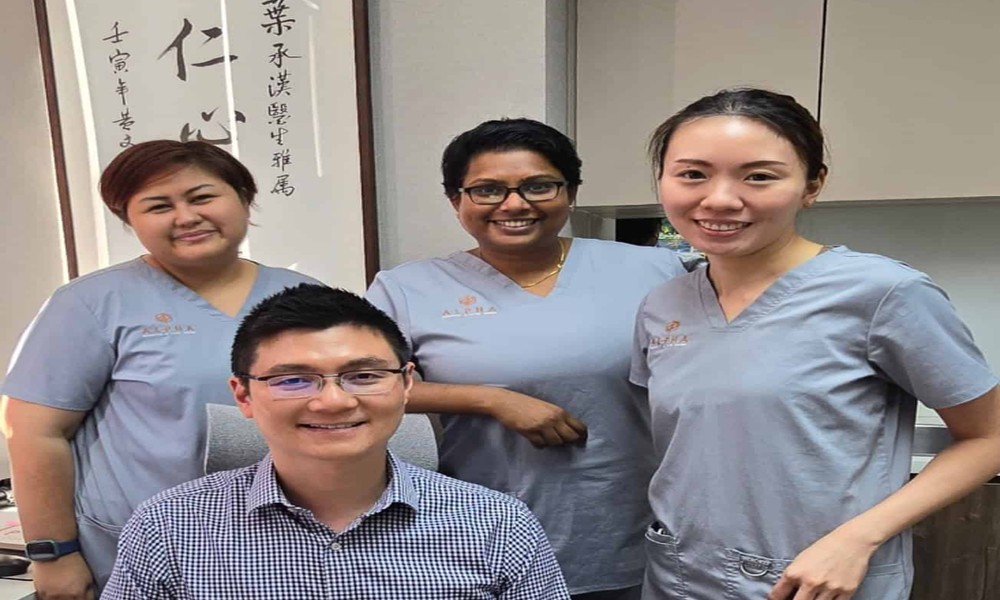
Digestive and liver care in Singapore is the specialised medical management of the gastrointestinal (GI) tract and hepatic system, increasingly governed by the Healthier SG preventive care protocols. In 2026, clinical pathways prioritise early detection of conditions like colorectal cancer, non-alcoholic fatty liver disease (NAFLD), and GERD. Specialist care utilises advanced diagnostic tools, including AI-augmented gastroscopy and Fibroscan, to ensure precise treatment planning and long-term symptom control.
Understanding the Role of a Gastroenterologist
A gastroenterologist is a specialist physician dedicated to the diagnosis and treatment of disorders affecting the oesophagus, stomach, small intestine, colon, and rectum. In 2026, these specialists work in tandem with the Healthier SG network to manage chronic GI conditions.
Key clinical focus areas include:
- Lumina Disorders: Identifying ulcers, polyps, or inflammatory bowel disease (IBD).
- Motility Issues: Managing chronic constipation or reflux via high-resolution manometry.
- Functional Gut Health: Addressing Irritable Bowel Syndrome (IBS) through gut-brain axis therapies.
- Preventive Screening: Conducting age-based colorectal screenings for residents aged 50 and above.
Scope of Liver-Related Care (Hepatology)
Liver specialists (hepatologists) focus on the metabolic and detoxification functions of the liver, managing conditions such as viral hepatitis, cirrhosis, and fatty liver. As of 2026, Singapore has seen a rise in metabolic-associated steatotic liver disease (MASLD), making liver evaluation a standard part of health screenings.
Diagnostic Benchmarks for Liver Care:
- Biochemical Panels: Liver function tests (LFTs) to monitor enzyme levels and bilirubin.
- Elastography (Fibroscan): A non-invasive method to measure liver stiffness and fat content without a biopsy.
- Advanced Imaging: Utilising MRI or CT scans to detect early-stage liver nodules or cancer.
Accessing Gastro Specialist Services in Singapore
Specialist GI services in Singapore are accessed via three main pathways: public hospital referrals (subsidised), Healthier SG GP referrals, and private specialist consultations. In 2026, enrolment in Healthier SG ensures that your family doctor remains the central hub for your medical history, facilitating seamless data flow via the National Electronic Health Record (NEHR).
Initial Consultation Expectations:
- Symptom Mapping: Detailed discussion of triggers, such as nocturnal reflux or changes in bowel frequency.
- Entity Verification: Your doctor will check for “red flag” symptoms like unexplained weight loss or blood in stools.
- Care Coordination: Planning the next tier of diagnostics, such as breath tests or imaging.
Diagnostic Tools: Gastroscopy and Advanced Endoscopy
A gastroscopy clinic in Singapore provides upper gastrointestinal endoscopy (OGD) to visualise the lining of the oesophagus, stomach, and duodenum. In 2026, these procedures are often enhanced by AI-assisted detection to identify pre-cancerous lesions with 99% accuracy.
Common Specialist Diagnostic Tools:
- Gastroscopy (OGD): Used to investigate persistent heartburn, upper abdominal pain, or H. pylori infection.
- Colonoscopy: The gold standard for detecting and removing colorectal polyps.
- Capsule Endoscopy: A pill-sized camera that records images of the small intestine.
- Urea Breath Test: A non-invasive test for Helicobacter pylori bacteria in the stomach.
Preparing for a Specialist Consultation
Patient preparation in 2026 focuses on “Information Readiness”, which involves consolidating health data for clinical AI-integration. This ensures the specialist has a complete view of your digestive history.
Consultation Preparation Checklist:
- Symptom Timeline: Document the duration and frequency of symptoms over the last 30 days.
- Medication Record: Include supplements and Traditional Chinese Medicine (TCM), which can affect liver enzymes.
- Family History: Note any relatives with a history of stomach or colon cancer.
- Fasting Status: If a procedure like an ultrasound or gastroscopy is likely, maintain a 6-hour fast.
Managing Ongoing Digestive Conditions
Management of chronic GI conditions in 2026 follows a “shared decision-making” model, where treatment plans are adjusted based on real-time symptom monitoring via health apps.
- Pharmacological Support: Using biologics for IBD or advanced acid suppressants for GERD.
- Dietary Integration: Working with dietitians to implement low-FODMAP or low-fat regimens.
- Surveillance: Regular check-ins every 6-12 months to ensure that inflammatory markers remain low.
Lifestyle Factors in Digestive and Liver Health
Lifestyle medicine in 2026 emphasises the “gut microbiome” as a key driver of systemic health, supported by the Healthier SG health plan.
- Hydration: Maintaining 2.5L daily to support bowel motility and detoxification.
- Fibre Intake: Targeting 25-30 g daily to prevent diverticular disease and support probiotic diversity.
- Stress Management: Utilising mindfulness or gut-directed hypnotherapy to manage IBS symptoms linked to the brain-gut axis.
Monitoring Progress and Long-Term Outcomes
In 2026, success in digestive care will be measured by “Quality of Life (QoL) Metrics” rather than just the absence of symptoms. Specialised centres track patient progress through:
- Biometric Data: Stability in liver enzymes and inflammatory markers (CRP/Calprotectin).
- Functional Recovery: Improvement in appetite, sleep quality, and daily energy.
- Proactive Screening: Adherence to long-term surveillance schedules for patients with high-risk markers.
Frequently Asked Questions (FAQ)
What symptoms indicate the need for a gastroscopy?
Persistent symptoms such as heartburn, difficulty swallowing (dysphagia), recurrent upper abdominal pain, or unexplained iron-deficiency anaemia are indications for a gastroscopy.
Can I use my MediSave for liver scans in 2026?
Yes. As of January 2026, you can use up to $600 per year from your MediSave for outpatient diagnostic scans (including CT, MRI, and specialised liver scans) at approved specialist clinics.
How does Healthier SG help with digestive health?
Healthier SG connects you with a dedicated GP who manages your preventive care, provides subsidised screenings for colon cancer, and coordinates referrals to specialists when chronic symptoms are detected.
Is a liver biopsy always required to diagnose fatty liver?
No. In 2026, specialists often use non-invasive FibroScan technology or specialised blood markers to assess liver fat and scarring, reserving biopsies for complex cases.
What should I bring to my first gastro specialist appointment?
You should bring a symptom log, a list of current medications (including TCM), and any previous scan results. Ensure your HealthLink profile is updated so the specialist can access your NEHR records.
Navigating Integrated Digestive and Liver Care in 2026
Specialised digestive and liver care in 2026 is increasingly integrated and data-driven, enabling earlier detection and more cost-effective management. By aligning clinical expertise with the Healthier SG framework and optimising MOH financing schemes, patients in Singapore can make informed decisions about their long-term digestive health. For comprehensive, patient-centred care guided by the latest diagnostic insights, book a consultation and take a proactive step toward better digestive and liver health.