

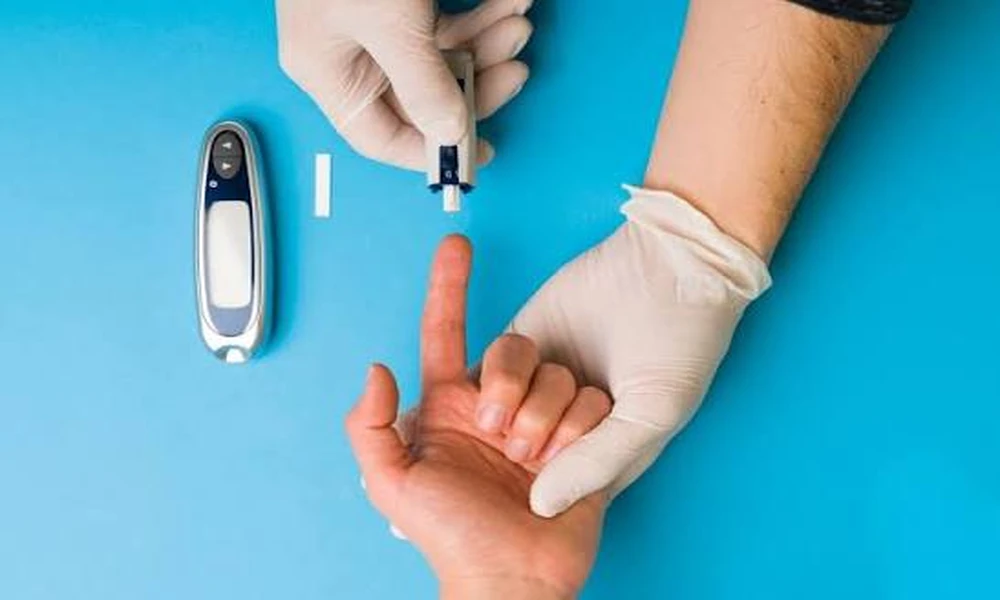
Many people judge diabetes control by fasting blood sugar alone. This is understandable because fasting sugar is easy to test and is often included in routine reports. However, fasting blood sugar shows only one part of the picture. It tells you what your glucose level was at one point in the morning, usually after an overnight fast. HbA1c gives a wider view because it reflects average blood sugar over the previous few months.
Both tests matter because they answer different questions. Fasting sugar may look acceptable while post-meal sugar is repeatedly high. This can happen when breakfast, lunch or dinner contains too many fast-digesting carbohydrates, sweets, sugary tea, fruit juice or refined snacks. On the other hand, HbA1c may improve even when one fasting reading is slightly high. A doctor looks at the pattern rather than one number.
Post-meal testing is also important. Many people with type 2 diabetes have large glucose rises after meals. A person may think diabetes is controlled because morning readings look reasonable, but lunch and dinner spikes may still be harmful. This is why doctors sometimes recommend checking fasting, post-meal and HbA1c together.
HbA1c also has limitations. It may be affected by anaemia, kidney disease, certain blood conditions, pregnancy and other factors. That is why no single test should be treated as the final answer in every person. Doctors interpret test results with symptoms, medical history and other reports.
A good diabetes plan should include food, activity, sleep, stress, weight and medicines. The aim should not be to “beat” one test report, but to reduce the overall metabolic risk. Blood pressure, cholesterol, waist size and kidney health should also be monitored because diabetes often affects more than blood sugar.
Readers looking for a monitored approach can review Madhavbaug’s structured diabetes management programme. A structured programme may help connect test reports with daily habits, diet correction, physical activity and supervised care.
Patients should avoid making sudden decisions after one high or low reading. A festival meal, poor sleep, missed medicine, infection or stress can temporarily change glucose. Repeated patterns are more useful than isolated readings.
Medicine changes must be supervised. If readings improve after diet and lifestyle changes, the treating doctor may review the dose. This should be done gradually and safely, especially for people using insulin or medicines that can cause low sugar.
For broader information about related care pathways, readers can visit Madhavbaug health programmes.
Medical disclaimer: Do not change diabetes medicine based only on one fasting or HbA1c report.