

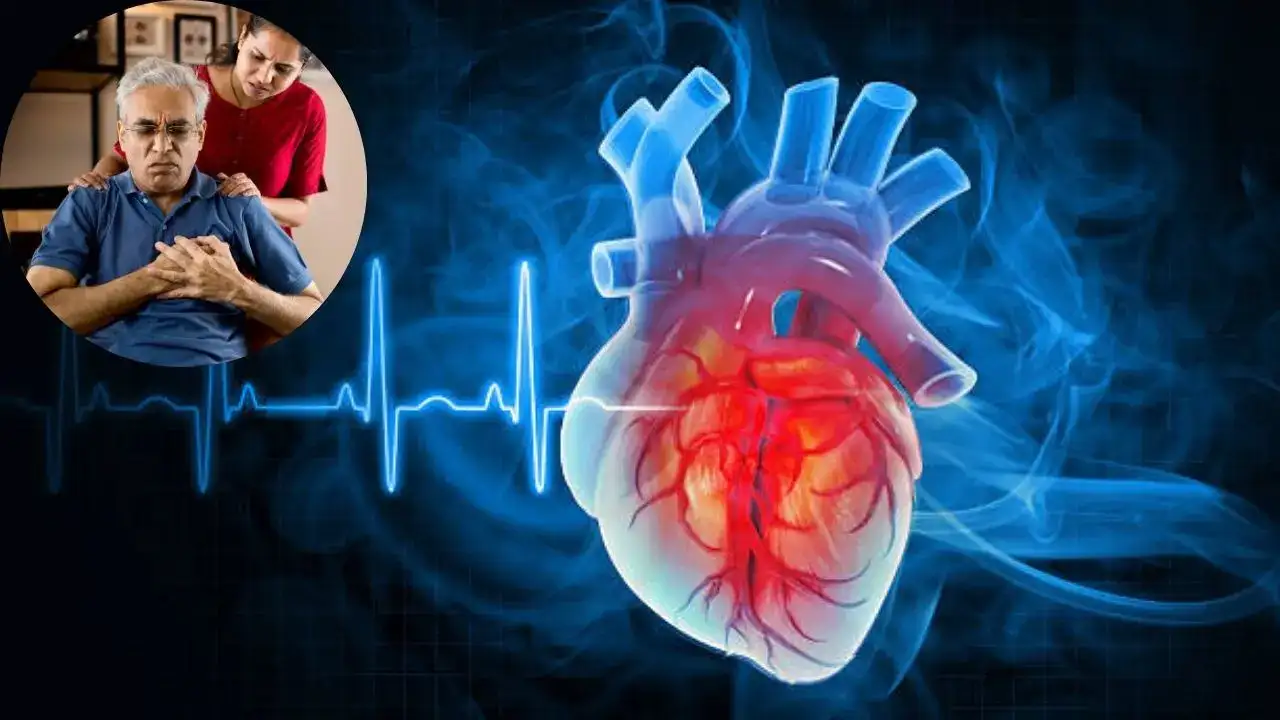
Heart disease is one of the most serious health concerns for Indian families. Yet many patients still delay checkups because of common beliefs that feel reassuring but may be unsafe. Some people think heart disease affects only older men. Some assume chest pain must be severe before it becomes dangerous. Others believe that a normal lifestyle means there is no need for heart screening.
These myths can delay diagnosis and treatment. Heart problems often develop over many years, and early action can make a meaningful difference. Here are five common myths Indian patients should understand more carefully.
Myth 1: “I am too young to have heart disease”
Many people believe heart disease is mainly a problem after 60. Age does increase risk, but younger adults can also develop heart problems, especially when risk factors are present. Diabetes, high blood pressure, high cholesterol, smoking, obesity, poor sleep, stress, family history, and lack of exercise can increase risk even in the 30s and 40s.
In Indian patients, heart risk may appear earlier than expected in some families. A person may look active from the outside but still have high cholesterol, uncontrolled sugar, or early blockage in the arteries.
You should be more careful if a parent or sibling had heart disease at a young age, if you have diabetes, if you smoke, or if you have high blood pressure. Regular checkups become even more important when these risk factors are present.
Myth 2: “Heart attack always causes severe chest pain”
Chest pain is an important warning sign, but a heart attack may not always feel like dramatic pain. Some people feel pressure, heaviness, burning, tightness, or discomfort in the chest. Others may feel pain or discomfort in the arm, shoulder, neck, jaw, back, or stomach. Shortness of breath, sweating, nausea, dizziness, unusual tiredness, and anxiety-like discomfort may also occur.
This is why heart symptoms are sometimes mistaken for acidity, gas, muscle pain, stress, or fatigue. Women, elderly patients, and people with diabetes may have less typical symptoms. Some diabetic patients may not feel strong chest pain because long term diabetes can affect nerve sensation.
Any sudden, unusual, or persistent chest discomfort should be taken seriously, especially if it comes with sweating, breathlessness, faintness, or pain spreading to the arm, jaw, or back.
Myth 3: “Women do not need to worry about heart disease as much as men”
Heart disease is often discussed as a male problem, but women are also at risk. Women may develop heart disease later than men in many cases, but the risk rises after menopause. Diabetes, high blood pressure, obesity, smoking, thyroid problems, stress, and family history can further increase risk.
Women may also describe symptoms differently. Some may have chest discomfort, while others may report breathlessness, upper back pain, jaw pain, nausea, unusual fatigue, or stomach discomfort. Because these symptoms can seem vague, women may delay seeking care.
Women should not ignore heart risk, especially after 40, after menopause, during long standing diabetes, or when there is a family history of heart disease. Routine blood pressure checks, sugar tests, cholesterol tests, and medical review can help identify risk earlier.
Myth 4: “If I exercise or look fit, my heart must be healthy”
Physical activity is important for heart health, but looking fit does not guarantee that the heart is free from risk. A person may exercise but still have high cholesterol, high blood pressure, diabetes, smoking-related damage, sleep apnea, stress, or a strong family history.
Some people also do intense workouts without medical evaluation, especially after years of inactivity. Sudden heavy exercise can be risky for people with undiagnosed heart disease.
Fitness should include both activity and medical awareness. If you are above 40, have risk factors, or plan to start intense exercise after a long gap, it is sensible to discuss heart screening with a doctor. This may include blood pressure measurement, blood tests, ECG, and further tests if the doctor feels they are needed.
Myth 5: “If symptoms go away, there is no need to see a doctor”
This is one of the most dangerous assumptions. Some heart-related discomfort may come and go. Chest heaviness that appears during walking and improves with rest may still be a warning sign. Breathlessness during activity, repeated sweating, unexplained fatigue, or discomfort after meals should not be ignored if it keeps returning.
Temporary relief does not always mean the problem has disappeared. Some patients take antacids or painkillers and wait. This can delay proper care.
If symptoms are severe, sudden, or associated with sweating, breathlessness, fainting, or spreading pain, emergency care should be sought immediately. If symptoms are mild but recurring, book a medical consultation and explain the pattern clearly.
What should Indian patients do instead?
The better approach is prevention and timely evaluation. Know your numbers: blood pressure, blood sugar, cholesterol, weight, and waist size. Avoid smoking and tobacco. Manage diabetes and hypertension properly. Stay physically active, eat a balanced diet, sleep adequately, and do not ignore repeated symptoms.
Families should also keep emergency planning in mind. Know which hospital you would visit in case of sudden chest pain or breathlessness. Keep previous reports, medicine lists, and doctor details accessible.
When to consult a heart specialist
You should consult a cardiologist if you have chest discomfort, breathlessness, palpitations, dizziness, unexplained tiredness, swelling in the legs, high blood pressure, diabetes, high cholesterol, abnormal ECG, or a family history of early heart disease.
For patients looking for a heart hospital in Bangalore, Cura Hospitals provides cardiology care and evaluation for heart-related concerns.
Final thoughts
Heart disease myths often sound harmless, but they can delay action. Age, gender, fitness level, and temporary symptom relief should not be used as reasons to ignore warning signs. Clear awareness, timely checkups, and proper medical guidance can help patients make safer decisions for long term heart health.