

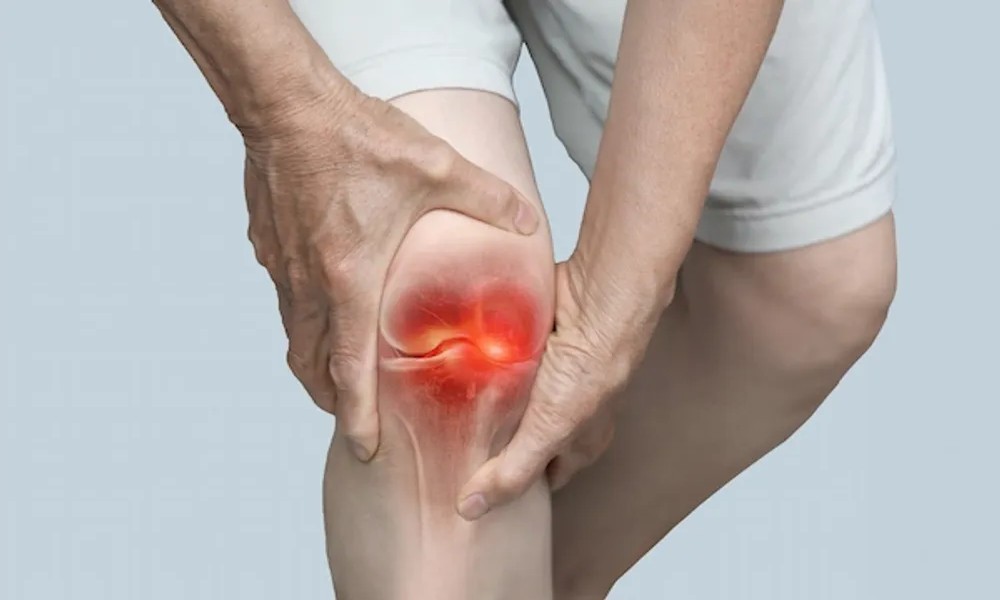
Pain can affect work, sleep, mood, movement, and family life. For many patients, the first worry is whether they will eventually need surgery. This concern is common in people with back pain, neck pain, sciatica, joint pain, shoulder pain, headaches, nerve pain, or long-standing muscle pain.
The good news is that many pain conditions can be evaluated and managed without immediate surgery. Non-surgical pain treatment focuses on reducing pain, improving movement, identifying the source of pain, and helping the patient return to daily activity with a structured plan.
In a busy city like Mumbai, where long work hours, travel, stress, poor posture, and delayed checkups are common, more patients are considering non-surgical pain care before making major treatment decisions.
What does non-surgical pain treatment mean?
Non-surgical pain treatment includes medical and rehabilitation approaches that aim to manage pain without an operation. This may include diagnosis, medicines, physiotherapy, posture correction, exercise therapy, lifestyle changes, counselling, image-guided injections, nerve blocks, radiofrequency procedures, and other minimally invasive pain procedures when suitable.
The exact plan depends on the cause of pain. A person with disc-related nerve pain may need a different approach from someone with arthritis, migraine, fibromyalgia, sports injury, or post-surgery pain.
Why patients are looking beyond painkillers
Many people start by taking painkillers whenever pain increases. Pain medicines may help in selected situations, but repeated self-medication can create problems. Some medicines can affect the stomach, kidneys, liver, blood pressure, or other medical conditions if used without supervision.
Non-surgical pain care looks at the bigger picture. The aim is to understand why the pain is occurring, what structures are involved, and what can be done to reduce recurrence. This may include strengthening weak muscles, improving flexibility, calming irritated nerves, reducing inflammation, and teaching the patient how to move safely.
Surgery may not be the first step for many conditions
Patients often think that MRI findings automatically mean surgery. This is not always the case. Many people have disc bulges, age-related spine changes, or joint wear on scans, but the treatment decision depends on symptoms, examination findings, severity, nerve involvement, function, and response to conservative care.
Surgery may be necessary in some cases, especially when there is severe nerve compression, progressive weakness, serious injury, infection, tumour, or loss of bladder or bowel control. However, many patients with pain can first be assessed for non-surgical options.
A pain specialist can help decide whether the pain can be managed through non-surgical care or whether surgical opinion is required.
Better diagnosis leads to better treatment
One reason pain continues for months is that the exact pain generator is not identified. For example, lower back pain may come from muscles, discs, facet joints, sacroiliac joints, nerves, posture, hip problems, or a combination of factors. Neck pain may be related to muscles, joints, discs, nerves, workstation habits, stress, or sleep posture.
Non-surgical pain treatment begins with careful history, clinical examination, and review of reports when needed. This helps avoid random treatment and supports a more specific plan.
Minimally invasive procedures can help selected patients
Some patients need more than medicines and exercises, but may still not need open surgery. In such cases, interventional pain procedures may be considered. These procedures are usually targeted at a specific pain source and may be done with imaging guidance depending on the condition.
Examples may include nerve blocks, epidural injections, joint injections, trigger point injections, or radiofrequency procedures. These are not suitable for every patient, but they may help selected people reduce pain enough to participate better in physiotherapy and daily movement.
The decision should always be made after proper evaluation.
Rehabilitation is an important part of pain recovery
Pain treatment does not end when pain reduces. If the muscles are weak, posture is poor, sleep is disturbed, or work habits remain unchanged, pain may return. Rehabilitation helps patients rebuild strength, confidence, and function.
For example, a patient with back pain may need core strengthening, hip mobility work, safe bending techniques, workstation correction, walking guidance, and gradual return to exercise. A patient with shoulder pain may need mobility exercises and muscle strengthening. A patient with knee pain may need weight management, thigh strengthening, and activity modification.
This is why physiotherapy and after-care are important parts of non-surgical pain management.
Why Mumbai patients may benefit from early care
Mumbai’s lifestyle can worsen pain. Long commutes, sitting for hours, laptop work, traffic stress, uneven sleep, and limited exercise can increase spine and joint problems. Many professionals ignore pain until it affects walking, sitting, sleep, or concentration.
Early care can prevent pain from becoming a long-term pattern. When pain continues for months, the nervous system may become more sensitive. The patient may also become fearful of movement, which can reduce activity and weaken muscles further.
Consulting early gives patients a better chance to understand the cause and begin corrective treatment.
When should you consult a pain clinic?
You should consider medical evaluation if pain lasts more than a few weeks, keeps returning, spreads to the arm or leg, causes tingling or numbness, affects sleep, limits walking or work, or requires frequent painkillers. Immediate care is needed if pain is associated with weakness, fever, unexplained weight loss, trauma, loss of bladder or bowel control, or severe sudden symptoms.
For patients looking for Non-Surgical Pain Treatment in Mumbai, Painacea provides pain management care, clinical procedures, rehabilitation support, and after-care for chronic pain concerns.
Final thoughts
Non-surgical pain treatment gives many patients a structured way to address pain before considering major procedures. It focuses on diagnosis, targeted treatment, rehabilitation, and long-term function. For patients in Mumbai, timely evaluation can help reduce pain, protect mobility, and support a more confident return to daily life.