

Key Takeaways
- Preparing a child early can ease anxiety and improve therapy outcomes
- Familiar routines and clear communication help children feel safe
- Parents play a vital role in reinforcing therapy progress at home
- Choosing structured, child-centred support encourages long-term development
Introduction
Starting therapy can feel like a big step, not just for a child, but for the entire family. There’s a mix of hope, uncertainty, and perhaps a few quiet worries. That’s completely normal. The first session sets the tone, and a little preparation can go a long way in helping a child feel comfortable and ready to engage.
For families seeking autism therapy in Singapore, understanding what to expect and how to prepare can make the experience smoother and more meaningful. After all, therapy works best when a child feels safe, supported, and understood.
Setting The Stage: What Happens Before The First Session?
Before the first appointment even begins, groundwork is already being laid. Many therapy providers begin with initial assessments to understand a child’s communication style, behaviour patterns, and developmental needs. This step isn’t just clinical, it’s personal.
Parents might notice that therapists ask detailed questions. It may seem like a lot, but it helps create a tailored plan. Think of it like mapping out a journey before setting off.
To prepare a child, keep explanations simple. Instead of saying “therapy,” try something like, “You’ll meet someone who will play and learn with you.” Children respond better to familiar, friendly language.
Visiting the centre beforehand, bringing a favourite toy, and keeping routines steady on the day can help reduce uncertainty. These small touches make the environment feel less unfamiliar.
Easing First-Day Nerves (For Both Child And Parent)
Let’s be honest, first-day nerves aren’t just for children. Parents feel them too. And children, perceptive as they are, often pick up on that energy.
Staying calm and positive can influence how a child reacts. A reassuring tone, a gentle smile, even a relaxed posture, all matter more than expected.
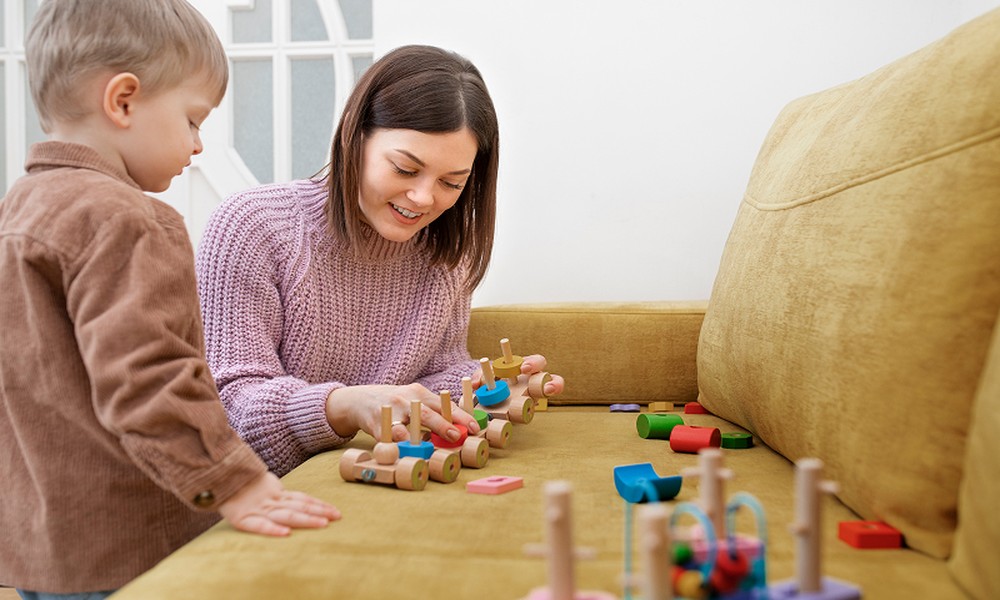
For children attending speech therapy for kids, the first session often involves play-based interaction. It might not look like therapy at all. There could be puzzles, picture cards, or simple games. That’s intentional. It builds trust before introducing structured learning.
If a child hesitates or becomes upset, that’s okay. Progress doesn’t happen in a straight line. Skilled therapists are trained to handle these moments with patience and care, allowing children to adjust at their own pace.
Building Familiarity: Preparing At Home
Preparation doesn’t stop at the therapy centre doors. Home plays a huge role in shaping a child’s readiness.
One effective approach is role-playing. Pretending to visit a therapist using toys can help a child understand what’s coming. It’s simple, but surprisingly effective.
Parents can also introduce visual schedules with pictures showing what happens next. Many children respond well to visual cues because they reduce unpredictability and make transitions easier to manage.
When preparing for autism therapy in Singapore, consistency is key. Keeping meal times, sleep schedules, and daily routines stable helps a child feel grounded. It’s a bit like setting the stage before a performance. Everything works better when the environment is steady.
Partnering With Professionals: Why The Right Support Matters
Choosing the right therapy provider isn’t just a logistical decision. It’s a deeply personal one. Structured programmes that combine guided learning with engaging activities can make a real difference.
This is especially important for services like speech therapy for kids, where communication development requires both expertise and flexibility. Each child learns differently. Some respond to visuals, others to sound, others to movement. Good therapy meets the child where they are.
Parents are often encouraged to stay involved. Regular updates, home strategies, and open communication ensure that progress continues beyond each session. It becomes a shared effort rather than a one-off appointment.
Conclusion
Preparing a child for their first therapy session isn’t about getting everything perfect. It’s about creating a sense of safety, familiarity, and trust. Small steps such as clear explanations, consistent routines, and emotional reassurance can make a meaningful difference.
Over time, therapy becomes less of a new experience and more of a comfortable routine. And that’s where real progress begins.
For families considering autism therapy in Singapore or exploring speech therapy for kids, early preparation paired with the right professional support can shape a positive journey ahead. Contact AutismSTEP today to learn how tailored therapy programmes can support your child’s growth and development.