

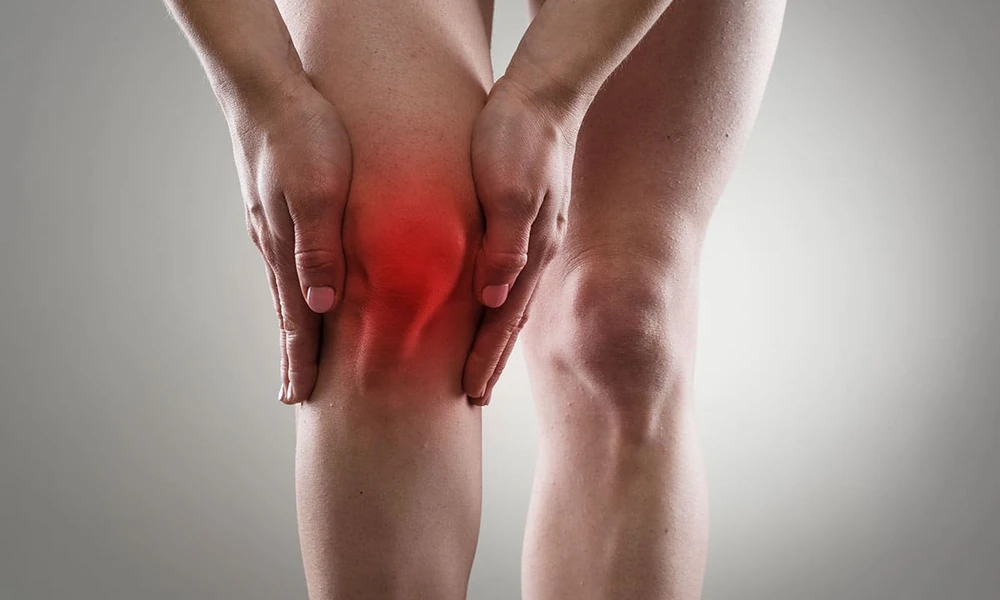
Knee pain is common, especially with age, excess weight, old injuries or arthritis. Research on knee osteoarthritis shows that exercise can help improve pain and function for many patients, but the right plan depends on the person’s condition. Read the research here: PubMed review on exercise for knee osteoarthritis.
Knee pain can happen for many reasons. It may be due to strain, ligament injury, cartilage damage, arthritis, infection, fracture or swelling inside the joint.
Pain that happens only after heavy activity may improve with rest and simple care. But pain that continues, worsens or affects walking should be checked.
Common warning signs include swelling, stiffness, difficulty climbing stairs, locking of the knee, giving way, pain after a fall, fever with joint pain or inability to bear weight.
Older adults often develop knee osteoarthritis. This happens when the joint surface wears down over time. It can cause pain, stiffness and difficulty with daily activities.
Exercise is often useful, but it must be suitable. Walking, strengthening, stretching and physiotherapy may help many people. However, pushing through severe pain can make problems worse.
Weight management can also reduce pressure on the knees. Even small weight reduction may help some people move more comfortably.
Do not depend only on painkillers for long periods without medical advice. Painkillers may affect the stomach, kidneys, liver or blood pressure in some people.
A doctor may suggest examination, X-ray, blood tests, physiotherapy, medicines, injections or surgery depending on the cause and severity.
For readers seeking specialist evaluation, Cura Hospitals provides information about its orthopaedics department.
Knee pain should not be ignored if it limits daily life. Early care can help protect mobility and independence.
Medical note: Seek urgent care after a major fall, severe swelling, fever, deformity, inability to walk or sudden severe pain.