

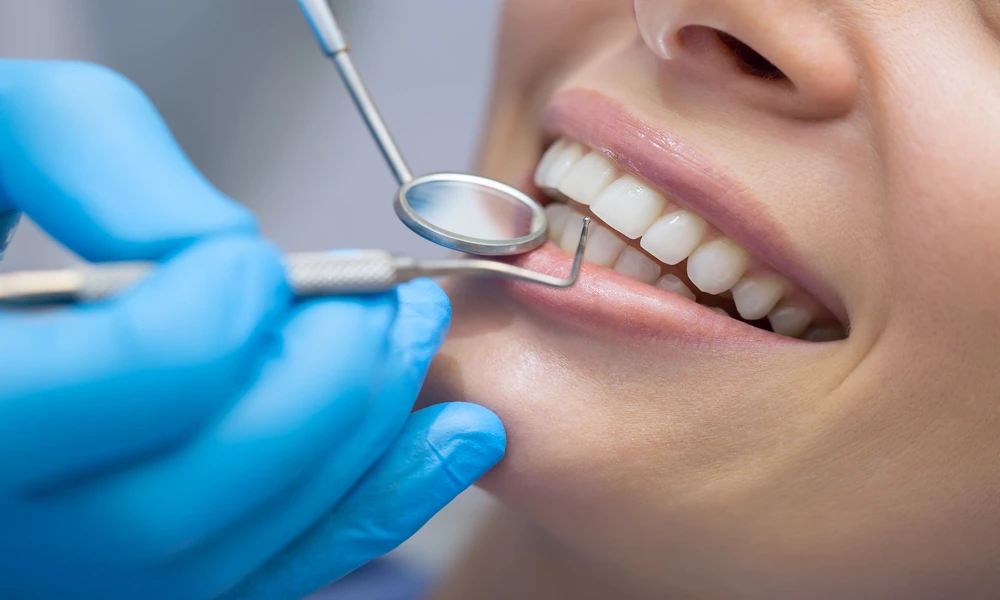
You brush, you floss when you can, and you still wonder why one person gets through every checkup with no issues while another ends up with cavities, gum problems, or tooth pain that seems to come out of nowhere. That frustration is real. Oral health is not one size fits all, and a good preventive plan should not feel like a generic speech you could hear in any exam room. At Northbrook dentistry, care should feel personal, practical, and tailored to your needs.
How general dentistry personalizes preventive plans for every patient comes down to a simple truth. Your mouth, habits, health history, and risk factors are your own. A strong prevention strategy looks at the full picture, then builds care around what you actually need, not what works for the average patient. That is the heart of personalized dental prevention, and it often means fewer surprises, lower treatment costs, and more control over your health.
General dentist care starts with your actual risk, not a standard checklist
Two patients can sit in the same waiting room, both brushing twice a day, and need very different care. One may have deep grooves in the molars that trap food. Another may take a medication that causes dry mouth, which raises cavity risk fast. Someone else may clench at night, have early gum inflammation, or struggle to clean around crowns, bridges, or crowded teeth.
A general dentist looks at those details because they change the plan. Cavity history matters. Gum measurements matter. Bleeding when you floss matters. So do diet, tobacco use, pregnancy, diabetes, acid reflux, stress, and how often you snack. Even your saliva flow can shift your risk. The result is not just “brush and floss more.” It may be fluoride varnish, sealants, shorter recall visits, a night guard, targeted home care tools, or early periodontal treatment.
That matters because prevention gets expensive when it is too generic. If you are told to come back in six months no matter what, but your gum disease is starting now, you lose time. If you are low risk and stable, you may need less intervention than someone with ongoing decay. A tailored plan respects both your health and your budget.
The science behind this is clear. Daily home care is still the base, and the National Institute of Dental and Craniofacial Research explains the basics of oral hygiene in simple terms. The difference is that a preventive dental plan adjusts those basics to fit your risk level.
Personalized preventive dentistry addresses the problems that quietly build over time
Most dental problems do not begin with a dramatic moment. They build slowly. A little plaque stays at the gumline. A dry mouth issue gets ignored. Bleeding starts once in a while, then more often. You skip one cleaning because life gets busy, then another. Nothing hurts yet, so it is easy to assume everything is fine.
That is where prevention becomes personal in a very practical way. If your dentist sees early gum inflammation, the plan may focus on reducing bacteria below the gumline and teaching you how to clean where a standard brush misses. If you have frequent decay, the conversation may shift to sugar frequency, fluoride exposure, and saliva support. If your enamel is wearing down, acid intake or grinding may be the real issue, not brushing effort.
You also might be dealing with things that make dental care harder than it sounds. Sensitive teeth can make brushing feel unpleasant. Depression, shift work, caregiving, or chronic illness can knock routines apart. Children, aging parents, and work deadlines can push your own care to the bottom of the list. That does not mean you do not care. It means your plan needs to work in real life.
Gum disease is a good example of why this matters. It can start quietly, and it often does. The National Institute of Dental and Craniofacial Research outlines how gum disease develops and why early attention can prevent worse damage later. A personalized approach catches those early signs before they turn into deep cleanings, loose teeth, or more involved treatment.
Preventive dental care works best when home habits and office visits support each other
Home care and professional care are not competing options. They cover different parts of the problem. Brushing and flossing reduce daily buildup, but they do not remove hardened tartar. A cleaning helps remove what has already stuck, but it cannot offset months of missed home care. The strongest results come when both sides match your risk and stay consistent.
| Approach | What It Helps With | Limits | Best Fit |
|---|---|---|---|
| Standard home care only | Daily plaque control, fresher breath, lower cavity and gum risk | Cannot remove tartar or diagnose early disease | Everyone, every day |
| Routine office cleanings only | Tartar removal, early detection, professional guidance | Problems can return fast without home care | Part of a full prevention plan |
| Personalized preventive care | Targets your cavity risk, gum health, bite habits, and medical factors | Needs follow through and periodic updates | Patients with changing or higher risk needs |
For adults, the CDC shares practical oral health tips that support prevention at home. Those habits matter more when they are paired with a schedule and treatment plan that reflects your actual risks instead of a template.
Small, specific changes make a preventive dental plan easier to follow
Know your main risk. Ask what is most likely to cause trouble for you over the next year. Cavities, gum disease, grinding, dry mouth, or old dental work all lead to different prevention steps. One clear priority is easier to act on than a long list of advice.
Build a routine you can keep. If flossing at night never happens, move it to another time. If sensitivity stops you from brushing well, ask about products or techniques that reduce discomfort. If you snack often or sip sweet drinks through the day, focus there first. A realistic habit beats a perfect one you abandon in a week.
Follow the recall schedule that fits your mouth. Some people do well with standard checkups. Others need more frequent visits because of gum issues, heavy buildup, dry mouth, or repeated decay. The right schedule is not a punishment. It is a way to catch small problems while they are still small.
Personalized prevention helps you stay ahead of dental problems
You do not need a perfect mouth to benefit from prevention. You need a plan that fits your health, your routine, and the issues most likely to affect you. That is what makes general dentist care useful. It turns broad advice into steps that make sense for your life, and it gives you a better chance of avoiding pain, surprise costs, and bigger procedures later.
If your current dental routine feels scattered or you keep running into the same problems, schedule a visit with a general dentist and ask for a prevention plan built around your specific risks. That conversation can change the course of your oral health in a very practical way.