
What is Pericardial Mesothelioma?
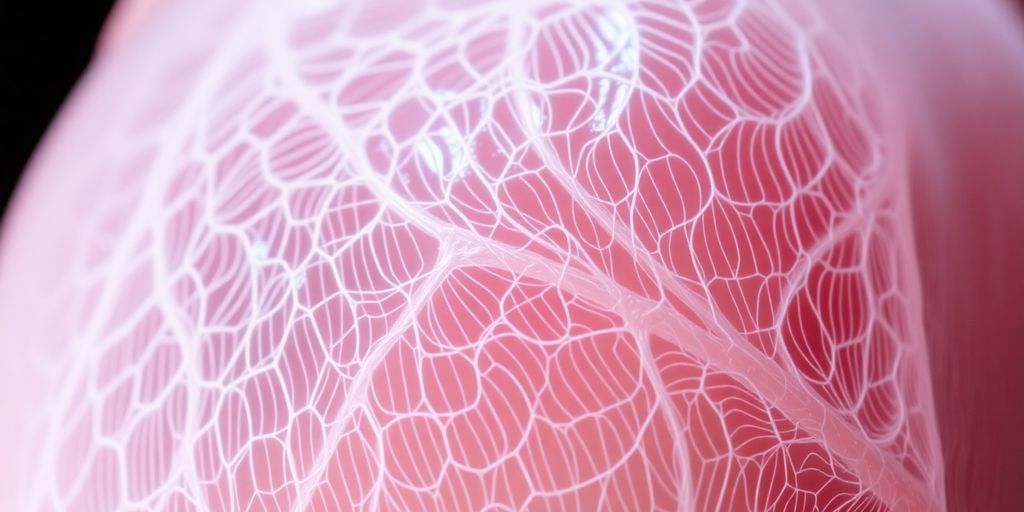
Pericardial mesothelioma is a type of cancer that starts in the pericardium, which is the thin sac that surrounds the heart. It’s a really uncommon cancer, and it affects the lining of the heart. This cancer is almost always linked to exposure to asbestos. When asbestos fibers are inhaled or swallowed, they can travel to the pericardium and cause damage over time, leading to the development of this disease. It’s a serious condition, and understanding its basics is the first step for anyone who might be affected or wants to learn more about it.
The Role of the Pericardium in Mesothelioma
The pericardium itself is a double-layered membrane. The outer layer is tough and fibrous, while the inner layer is serous. Between these layers is a small amount of fluid that helps the heart move smoothly within the chest. When asbestos fibers reach this area, they can lodge in the mesothelial cells that line the pericardium. These cells are responsible for producing the fluid. Over many years, the irritation and inflammation caused by these fibers can lead to abnormal cell growth, forming tumors. This slow process is why mesothelioma often isn’t diagnosed until decades after the initial exposure. Learning about the pericardium’s function helps explain how this cancer develops in that specific location.
Distinguishing Pericardial Mesothelioma from Other Cancers
Figuring out if someone has pericardial mesothelioma can be tricky because its symptoms can overlap with other heart and lung conditions. Doctors need to rule out other possibilities. For instance, chest pain and shortness of breath are common to many issues, from heart attacks to pneumonia. Even other types of cancer that might spread to the heart lining need to be considered. A key part of diagnosis involves looking at the patient’s history, especially any past asbestos exposure. Imaging tests and biopsies are vital for confirming the specific type of cancer. It’s important to get a correct diagnosis to plan the right treatment, and sometimes this involves looking at the specific type of cancer affecting the patient.
Identifying the Causes of Pericardial Mesothelioma
When we talk about pericardial mesothelioma, it’s important to understand what leads to it. For most people, the answer is pretty straightforward, though there are other things that might play a part.
Asbestos Exposure as the Primary Cause
The main culprit behind pericardial mesothelioma, like other forms of mesothelioma, is exposure to asbestos fibers. These tiny, durable fibers can become airborne when asbestos-containing materials are disturbed, such as during construction or demolition. Once inhaled or ingested, these fibers can travel to the lining of the heart, known as the pericardium, and over time, cause damage that may lead to cancer. It’s the long-term presence and irritation of these fibers that are believed to initiate the cancerous changes. The rarity of pericardial mesothelioma, with only about 200 documented cases, highlights how specific this exposure pathway is, compared to more common asbestos-related cancers like lung or pleural mesothelioma. Understanding the risks associated with asbestos is key to prevention, and resources are available to help identify potential exposure risks in various environments.
Latency Period and Asbestos-Related Cancers
One of the challenging aspects of asbestos-related diseases is the significant latency period. This means there’s a long stretch of time, often 20 to 50 years or even more, between the initial asbestos exposure and the development of symptoms or a diagnosis. During this time, the asbestos fibers lodged in the body can cause ongoing inflammation and genetic damage to cells. This slow progression makes it difficult to pinpoint the exact time or source of exposure years later. The body’s response to these persistent irritants is what ultimately contributes to the development of cancers like pericardial mesothelioma.
Other Potential Contributing Factors
While asbestos exposure is the primary known cause, researchers are always looking into other possibilities. Factors such as genetic predispositions or exposure to other environmental toxins are sometimes considered, though their role in pericardial mesothelioma is not as clearly defined as asbestos. For instance, certain genetic mutations might make some individuals more susceptible to the effects of asbestos. However, the overwhelming scientific consensus points to asbestos as the main driver for this specific cancer. Continued research aims to clarify any secondary factors that might influence the development of this rare condition and its progression.
Recognizing the Symptoms of Pericardial Mesothelioma
Pericardial mesothelioma, a rare cancer affecting the sac around the heart, can present with symptoms that are often vague and easily mistaken for other conditions. This can unfortunately lead to delayed diagnosis. Early recognition of potential signs is key for timely medical evaluation.
Common Signs and Symptoms
When pericardial mesothelioma develops, it can cause a range of issues. These symptoms might not appear for many years after asbestos exposure, which is the primary cause. Some common indicators include:
- Persistent chest discomfort or pain.
- Shortness of breath, especially with exertion.
- Unexplained fatigue or weakness.
- Night sweats.
- Unintended weight loss.
Chest Pain and Respiratory Difficulties
Chest pain associated with pericardial mesothelioma is often described as a dull ache or pressure. It can worsen with deep breaths or when lying down. The tumor’s growth can put pressure on the heart and lungs, leading to these sensations. Respiratory problems, such as difficulty breathing or a persistent cough, can also arise as the tumor affects lung function or causes fluid buildup in the chest cavity (pleural effusion), which can indirectly impact breathing.
Systemic Symptoms and Their Significance
Beyond the direct effects on the chest, pericardial mesothelioma can also lead to more general, systemic symptoms. These are often the body’s response to the presence of cancer. Significant fatigue that doesn’t improve with rest is common. Patients may also experience unexplained weight loss, which can be a sign that the body is using more energy to fight the disease or that appetite has been affected. Fever and night sweats can also occur, sometimes indicating an inflammatory response or infection, but in the context of other symptoms, they warrant medical attention.
Diagnostic Approaches for Pericardial Mesothelioma
Figuring out if someone has pericardial mesothelioma isn’t straightforward. It usually takes a few different tests to get a clear picture. Doctors start by talking to you about your health history and doing a physical check-up. They’ll want to know about any past exposure to asbestos, as that’s a big factor.
Next, they’ll likely use imaging tests. These can help them see what’s going on inside your chest.
- Chest X-rays: These give a basic view of your lungs and the area around your heart.
- CT Scans: These provide more detailed cross-sectional images, showing the pericardium and any fluid buildup or thickening.
- MRI Scans: These can offer even more specific details about the soft tissues in the chest, helping to distinguish between different types of growths.
Sometimes, fluid might build up around the heart, and doctors might need to drain some of it. This fluid can then be sent to a lab for examination. However, the only way to be absolutely sure it’s pericardial mesothelioma is through a biopsy. This involves taking a small sample of tissue from the affected area. A pathologist then looks at this tissue under a microscope to confirm the diagnosis. Getting a definitive diagnosis is a key step in planning the right treatment, and it’s important to discuss all the findings with your medical team. You can find more information on how mesothelioma is diagnosed at Diagnosing mesothelioma.
Treatment Strategies for Pericardial Mesothelioma
Treating pericardial mesothelioma often involves a combination of different methods, as a single approach may not be enough. Doctors usually look at the stage of the cancer, the patient’s overall health, and what the patient prefers when deciding on a plan. It’s a complex situation, and the goal is to manage the disease and improve quality of life.
Multimodal Treatment Approaches
Because pericardial mesothelioma is rare and can be tricky to treat, doctors often use what’s called a multimodal approach. This means they combine several types of treatment to get the best results. Think of it like using different tools for different jobs. The main treatments usually include surgery, chemotherapy, and radiation therapy. Sometimes, new treatments like immunotherapy are also considered. The exact mix depends on the individual case, and doctors work closely with patients to figure out the best path forward. It’s important to discuss all the options and what to expect with your medical team. You can find more information on common treatment options for mesothelioma here.
Surgical Interventions and Their Goals
Surgery for pericardial mesothelioma is a big step, and its main aim is to remove as much of the cancerous tissue as possible. This is often called debulking. The idea is to relieve pressure on the heart and lungs, which can help with symptoms like chest pain and shortness of breath. However, completely removing all the cancer can be very difficult, especially if it has spread. The decision to have surgery depends on many factors, including how far the cancer has grown and the patient’s ability to recover from such a major operation. It’s a serious consideration, and the potential benefits need to be weighed carefully against the risks.
Chemotherapy and Radiation Therapy Options
Chemotherapy uses drugs to kill cancer cells, and it can be given orally or through an IV. It’s often used either before surgery to shrink tumors or after surgery to kill any remaining cancer cells. Radiation therapy uses high-energy rays to destroy cancer cells. It might be used on its own or in combination with chemotherapy. For pericardial mesothelioma, these treatments can help control the cancer’s growth and manage symptoms. The specific drugs and radiation doses are tailored to each patient. Side effects are common, but doctors have ways to help manage them, making the treatment more bearable.
Palliative Care and Symptom Management
Palliative care is a really important part of treatment, even from the early stages. It’s not just about end-of-life care; it’s about making life better for the patient now. The focus is on relieving symptoms like pain, shortness of breath, and fatigue. This can involve medications, therapies, and support services. The goal is to improve the patient’s quality of life and help them and their families cope with the challenges of the illness. Palliative care teams work alongside the main cancer treatment team to provide a holistic approach to care.
Prognosis and Living with Pericardial Mesothelioma
Factors Influencing Prognosis
The outlook for individuals diagnosed with pericardial mesothelioma isn’t uniform; it really depends on a few key things. The stage at which the cancer is found plays a big role. Early detection often means more treatment options are available, which can positively impact the prognosis. The specific type of mesothelioma cells also matters, as some respond better to treatment than others. Patient health is another big factor; younger, healthier individuals generally tolerate treatments better and may have a more favorable outcome. The effectiveness of the chosen treatment plan is also a major determinant of survival. For instance, patients who receive treatment can expect to live for about 15 months after diagnosis, on average, though this can vary widely.
Managing Side Effects of Treatment
Undergoing treatment for pericardial mesothelioma can bring about its own set of challenges. Side effects from chemotherapy, radiation, or surgery can range from mild fatigue to more significant issues like nausea, hair loss, or changes in appetite. It’s important for patients to communicate openly with their medical team about any symptoms they experience. Managing these side effects often involves a combination of medical interventions and lifestyle adjustments. For example, anti-nausea medications can help with digestive upset, while nutritional support can address appetite changes. Staying hydrated and getting adequate rest are also vital. Patients might also find benefit from complementary therapies, such as acupuncture or massage, though it’s always best to discuss these with your doctor first.
Support Systems for Patients and Families
Living with a diagnosis like pericardial mesothelioma can be emotionally and practically demanding, not just for the patient but for their loved ones too. Having a strong support system in place makes a significant difference. This can include family members, friends, and support groups where individuals can connect with others facing similar challenges. Sharing experiences and coping strategies can be incredibly helpful. Many hospitals and cancer centers offer resources like social workers and counselors who can provide emotional support and practical assistance with things like navigating insurance or finding local services. Connecting with a mesothelioma support group can offer a sense of community and shared understanding during this difficult time.