

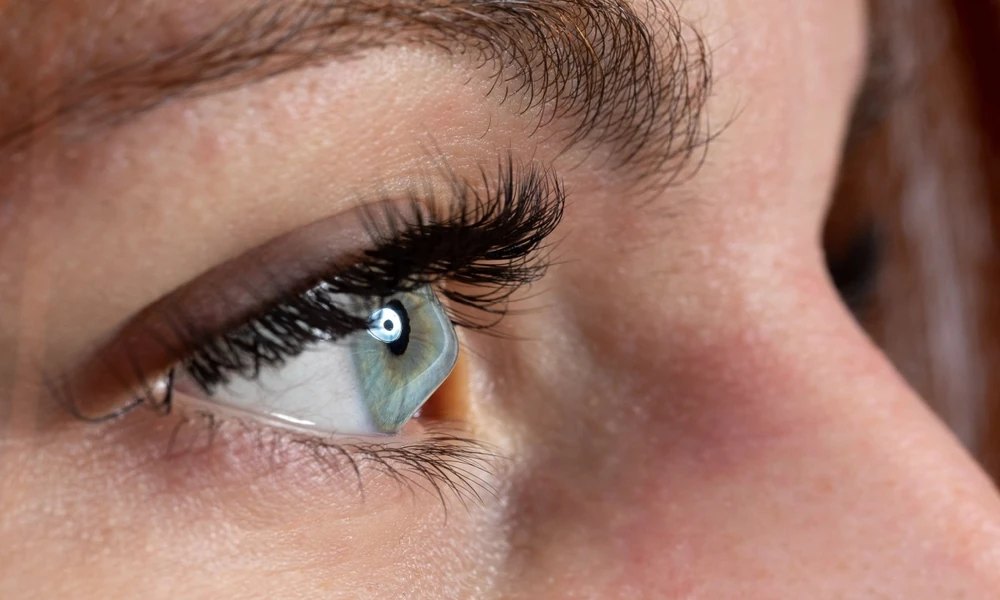
Keratoconus is a condition in which the cornea, the clear front part of the eye, becomes thinner and changes shape. This can cause distorted or blurry vision. The American Academy of Ophthalmology explains that keratoconus may cause frequent changes in glasses prescription and may need special contact lenses or other treatment depending on severity. Read the overview here: American Academy of Ophthalmology keratoconus overview.
Many people first think keratoconus is just a glasses problem. They may change their glasses often but still feel that vision is not clear.
The cornea normally has a smooth curved shape. In keratoconus, it may become more cone-shaped. This irregular shape can bend light unevenly and cause blurry or distorted vision.
Common symptoms may include frequent prescription changes, difficulty seeing at night, glare, halos, double images, ghosting of letters or eye strain.
Keratoconus often starts in teenage years or young adulthood. It may affect one eye more than the other. It can progress slowly or more quickly in some people.
Eye rubbing may worsen keratoconus in some patients. People with allergy or itchy eyes should get proper treatment instead of rubbing forcefully.
Diagnosis needs special corneal tests. A simple glasses check may not be enough. Corneal topography or tomography can map the shape of the cornea and help detect early changes.
Treatment depends on the stage. Glasses may help early. Some people need special contact lenses. In selected cases, corneal cross-linking may be advised to slow progression. Advanced cases may need other treatment.
For readers who want to understand specialist assessment, Phiroze M. Dastoor & Co. lists keratoconus-related eye care among its eye-care services.
Keratoconus should be checked early because timely care can help protect vision and guide the right correction.
Medical note: Do not ignore rapidly changing vision, severe eye allergy, constant eye rubbing or distorted vision that does not improve with new glasses.