


Many parents think baby teeth don’t need major treatment because they will eventually fall out. In reality, they play a vital role in chewing, speech, and guiding permanent teeth. When a baby tooth becomes infected, saving it is often the healthiest option.
If you are searching for a trusted pediatric dentist Alpharetta, then Polkadot Pediatric Dentistry offers compassionate care designed especially for children. Their experienced team focuses on making every visit comfortable while using gentle techniques to treat dental problems before they become more serious. Whether it is preventive care or advanced treatment, they are committed to protecting every growing smile with patience and expertise.
1. Tooth Pain That Keeps Coming Back
A little sensitivity after eating something cold is not always a concern. But ongoing tooth pain? That is different. If your child complains about the same tooth day after day, or wakes up because of discomfort, the infection may have reached the soft tissue inside the tooth. At that point, it won’t simply “go away.”
2. Pain While Eating
Has your child suddenly started chewing on only one side? Children don’t always explain what hurts, but they often change their eating habits. If biting into foods causes discomfort, it may signal damage inside the tooth rather than a simple cavity.
3. Swollen or Red Gums
Healthy gums should look pink and feel comfortable.
Keep an eye out for:
- Swelling around one tooth
- Red or tender gum tissue
- A small bump that resembles a pimple
- Drainage or an unpleasant taste
These symptoms can point to an infection that needs prompt dental care.
4. A Tooth That Turns Dark
A baby tooth that suddenly becomes gray or brown deserves attention. Sometimes this happens after an injury. Other times, deep decay damages the nerve inside the tooth. Either way, an examination can determine whether treatment is necessary.
5. Lingering Sensitivity
Children may occasionally notice mild sensitivity after having something very cold or hot. That is perfectly normal. What is not normal is discomfort that lingers long after eating or drinking. Persistent sensitivity often suggests the inner portion of the tooth has become inflamed.
6. A Deep Cavity
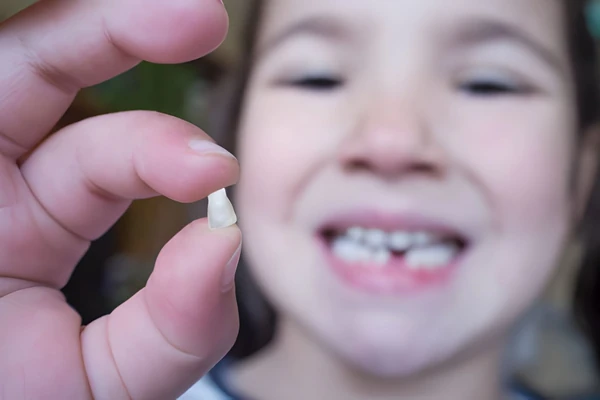
Not every cavity looks serious from the outside. Because baby teeth have thinner enamel, decay can spread surprisingly fast. Even a tiny cavity can sometimes extend deep inside the tooth, which is why early dental care is so important.
7. Swelling in the Face or Fever
This is one sign you should not ignore. If your child develops facial swelling, fever, or severe pain along with a toothache, the infection may be spreading beyond the tooth. Schedule a dental visit promptly so your child’s tooth can be examined and treated if needed.
Early Treatment Protects Growing Smiles
Hearing the words “baby tooth root canal” can feel overwhelming for any parent. The good news is that today’s pediatric dental treatments are gentle, safe, and designed with children’s comfort in mind.
Early treatment eases pain, saves the affected baby tooth, supports healthy oral development, and helps keep your child’s smile healthy until the permanent tooth is ready to emerge.