

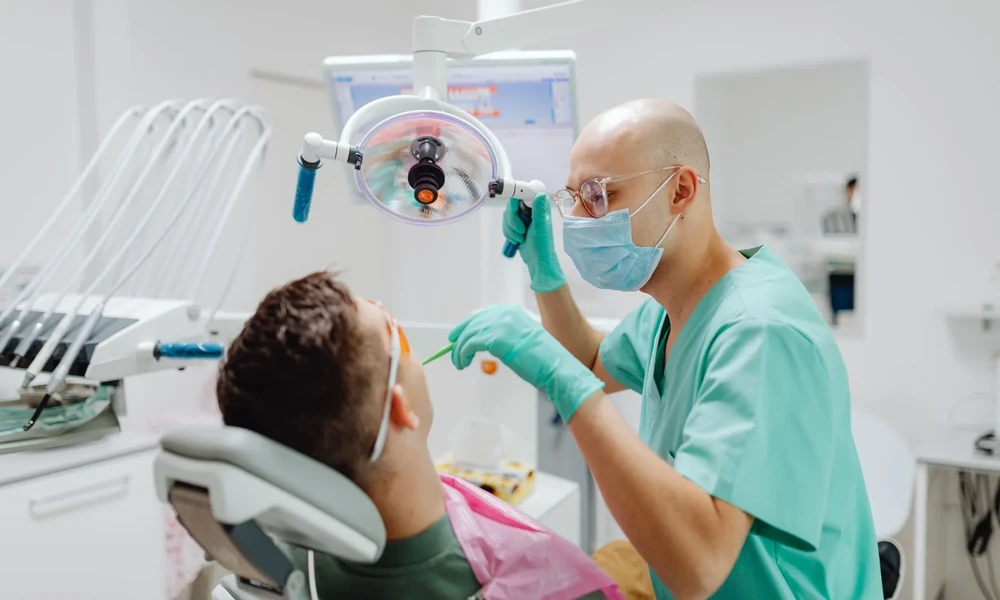
You may know the feeling already. A small twinge in a tooth turns into a day of overthinking, then a week of putting off the appointment, then a knot in your stomach every time you think about the dentist. Dental anxiety often starts long before you sit in the chair. It builds in the waiting, the guessing, and the fear that a minor problem has become something bigger and more painful. If you are also considering dental implants in Downtown Toronto, those worries can feel even heavier.
That is why The Role Of Preventive Dentistry In Reducing Anxiety For Patients matters so much. Regular checkups, cleanings, and early treatment do more than protect teeth. They lower uncertainty, reduce the chance of painful surprises, and help you feel more in control. Preventive care turns dental visits from crisis response into routine maintenance, and that shift changes the emotional experience in a real way.
Preventive dental care reduces fear by replacing emergencies with routine care
Fear feeds on the unknown. If you only visit a general dentist when something hurts, every appointment carries the threat of bad news, high costs, or treatment you did not expect. That pattern teaches your brain to link dental care with stress. You brace yourself before you even walk through the door.
Preventive dental care interrupts that cycle. Routine exams help catch cavities, gum irritation, and enamel wear before they turn into pain or infection. A standard dental exam usually includes checking your teeth, gums, bite, and soft tissues, which gives you a clearer picture of what is happening and what needs attention now versus later. Clarity lowers anxiety because you are no longer guessing.
You also start building familiarity. The sounds, the tools, the chair, the conversation with the dental team all become more normal when they are part of regular care instead of a stressful emergency. For many patients, that alone softens the dread.
Small oral health problems often become bigger sources of anxiety
A lot of dental fear is tied to avoidance, and avoidance makes the problem heavier. You notice bleeding when you brush, but you hope it stops. You skip a cleaning because work is busy. You feel sensitivity on one side and chew on the other. None of this means you are careless. It usually means you are overwhelmed, worried about cost, embarrassed, or trying not to deal with something that scares you.
The trouble is that untreated issues rarely stay still. Tooth decay remains one of the most common health problems. According to the National Institute of Dental and Craniofacial Research, dental caries data continues to show how widespread cavities are across age groups. When decay or gum disease progresses, treatment often gets more involved. A simple filling can turn into a root canal or extraction. A routine cleaning can become treatment for advanced gum disease. Anxiety rises with every added layer.
Anxiety reduction through preventive dentistry comes from keeping problems smaller, simpler, and easier to treat. That is not just about comfort in the chair. It is about protecting your peace of mind between visits too.
Prevention supports control, trust, and better daily habits
Control matters when you are anxious. Preventive visits give you a schedule, a plan, and a chance to ask questions before anything feels urgent. You hear what is stable, what needs watching, and what habits at home will help. That kind of structure makes dental care feel less like something happening to you and more like something you are managing.
Home care plays a big part here. The National Institute of Dental and Craniofacial Research offers practical guidance on oral hygiene, including brushing with fluoride toothpaste, flossing, and limiting sugary foods and drinks. These habits may seem basic, but they reduce plaque buildup, lower the risk of decay, and give you a daily way to support your own health. When you know you are doing something useful at home, the helpless feeling starts to ease.
This is one reason preventive dentistry and patient comfort are closely linked. Trust grows when appointments are predictable, information is clear, and your efforts at home actually make the next visit easier.
Routine prevention and delayed care lead to very different experiences
| Approach | What Usually Happens | Likely Anxiety Level | Common Cost Pattern |
|---|---|---|---|
| Routine preventive visits | Exams, cleanings, early detection of small issues | Lower, because visits are familiar and less urgent | More predictable, often lower over time |
| Delayed care until pain starts | Emergency evaluation, larger treatment needs, more discomfort | Higher, because of pain, uncertainty, and fear of bad news | Less predictable, often higher due to advanced treatment |
| Home care without professional checkups | Some problems hidden until they worsen | Moderate to high, especially when symptoms appear | Can seem cheaper short term, riskier long term |
The pattern is clear. Prevention does not erase every dental problem, but it makes problems easier to handle and less emotionally draining. That is the heart of preventive dentistry for anxious patients. It reduces the chance that each visit will feel like a crisis.
Three steps you can take now to make dental care feel less stressful
1. Book a checkup before pain forces the decision. The best time to see a general dentist is when nothing feels urgent. A calm visit creates a baseline, and that first low pressure appointment often breaks the cycle of avoidance.
2. Tell the dental team what makes you nervous. You do not need a polished explanation. Saying, “I get anxious about dental visits,” is enough. That gives the team a chance to pace the appointment, explain each step, and reduce surprises.
3. Tighten up one home habit this week. Start small and make it realistic. Brush for a full two minutes, floss once a day, or cut back on frequent sugary snacks. One steady habit can lower your risk and help you feel more in control before your next visit.
Preventive dentistry makes dental visits feel more manageable
If dental anxiety has been building for years, you are not weak and you are not overreacting. Many people carry fear from pain, embarrassment, cost worries, or one bad experience that never really left them. Preventive care gives you a different path. It lowers the odds of sudden problems, makes treatment simpler, and helps each appointment feel more familiar and less threatening.
Seeing a general dentist for regular preventive care is one of the most practical ways to protect both your oral health and your peace of mind. If you have been putting it off, taking that first step now can make the next step easier.