
Key Takeaways
- Motor skills are divided into “Gross Motor Skills (GMS)”, such as running, and “Fine Motor Skills (FMS)”, such as grasping objects.
- Early intervention through structured movement can prevent long-term issues with balance and coordination.
- Physical activities that involve crossing the midline of the body help improve communication between the left and right hemispheres of the brain.
Introduction
As children grow, they reach several physical milestones that dictate how they interact with the world around them. From their first steps to learning how to ride a bike, these moments are all powered by the complex growth of their nervous and muscular systems. However, in an increasingly sedentary world, many children are not getting the varied movement they need for optimal motor skills development. This can lead to clumsiness, poor posture, and a lack of physical confidence. One of the most comprehensive ways to support this growth is through gymnastics in Singapore, a sport that challenges every part of a child’s physical being.
The Foundation of Gross Motor Skills
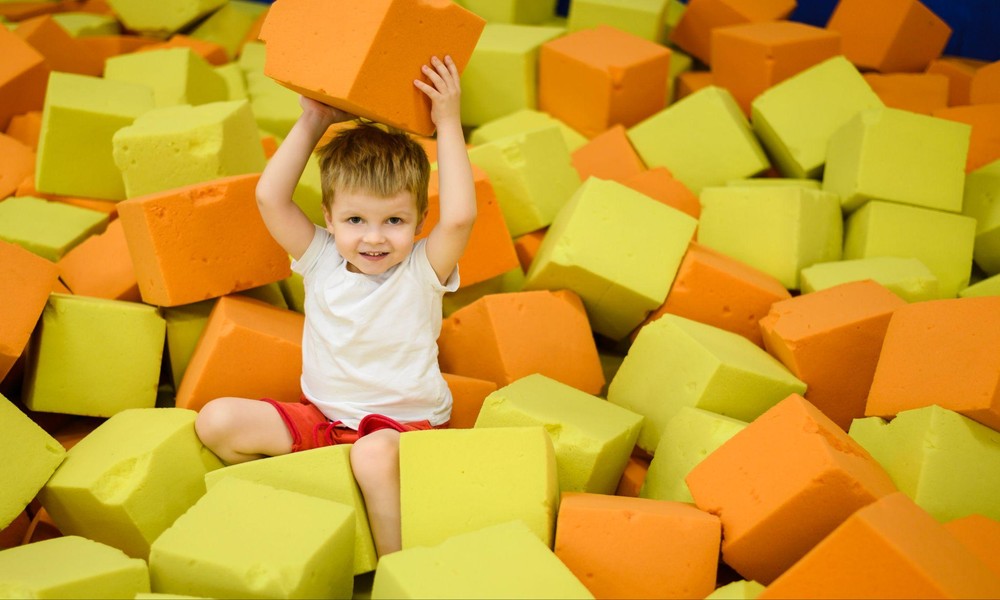
Gross motor skills involve the large muscles of the body and are responsible for major movements like jumping, climbing, and running. These skills are the building blocks for almost all physical activities. In a gymnastics setting, children are encouraged to move in ways they wouldn’t normally do at home or school. Whether they are leaping over a foam block or swinging from a bar, they are constantly refining their ability to control their limbs and torso. This consistent practice leads to better balance and a more stable gait, which are essential for everyday safety and athletic success.
Refining Coordination and Fine Motor Skills
While gymnastics is known for big movements, it also plays a significant role in developing fine motor control. Gripping the bars, pointing toes, and maintaining specific hand positions all require precise muscle engagement. This attention to detail helps improve the connection between the brain and the extremities. Furthermore, the sport often requires movements that cross the body’s midline, which is a vital part of motor skills development. These exercises help both sides of the brain work together more effectively, which can even assist with tasks like handwriting and using tools in the classroom.
The Role of Balance and Core Strength
A strong core is the anchor for all other physical movements. Without it, children may struggle with sitting upright at a desk or maintaining balance on uneven ground. Gymnastics focuses heavily on core stability through activities like holding “hollow” positions or walking on a balance beam. These exercises force the body to make constant, micro-adjustments to stay upright, which significantly improves proprioception. A child with a strong core and good balance is less likely to suffer from accidental falls and will feel more confident participating in playground games with their peers.
Preventing Developmental Pitfalls through Play
The beauty of structured movement programmes is that they often feel like play to the child, even though they are performing complex developmental tasks. By creating an environment where movement is fun, you reduce the risk of a child becoming averse to physical activity. Early exposure to gymnastics in Singapore ensures that children do not fall behind their peers in terms of physical capability. This proactive approach helps avoid the frustration that can occur when a child struggles with basic tasks, fostering a positive self-image and a willingness to try new things.
Conclusion
Supporting your child’s physical journey requires a clear focus on the building blocks of movement. By prioritising motor skills development, you are giving your child the tools they need to navigate the world with ease and confidence. Gymnastics provides a unique and effective way to achieve these goals in a safe, fun, and professional environment. Every flip, jump, and balance is more than just a trick; it is a vital step toward a healthier and more capable future. Investing in their physical literacy today will benefit them for a lifetime.
Contact BearyFun Gym to see how our structured programmes can support your child’s growth.